CAS 18956-18-8
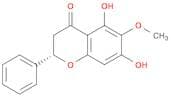
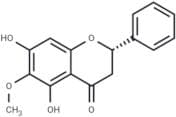
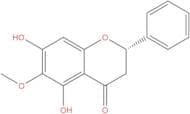
:Dihydrooroxylin A
Description:
Dihydrooroxylin A, with the CAS number 18956-18-8, is a chemical compound that belongs to the class of flavonoids, which are known for their diverse biological activities and potential health benefits. This compound is characterized by its polyphenolic structure, which contributes to its antioxidant properties. Dihydrooroxylin A is typically derived from natural sources, particularly plants, and exhibits various pharmacological effects, including anti-inflammatory and antimicrobial activities. Its solubility and stability can vary depending on the solvent and environmental conditions, which can influence its bioavailability and efficacy in biological systems. Research into Dihydrooroxylin A is ongoing, focusing on its potential applications in medicine and nutrition, particularly in the context of disease prevention and health promotion. As with many flavonoids, its safety profile and therapeutic potential are subjects of interest in pharmacological studies.
Formula:C16H14O5
InChI:InChI=1S/C16H14O5/c1-20-16-11(18)8-13-14(15(16)19)10(17)7-12(21-13)9-5-3-2-4-6-9/h2-6,8,12,18-19H,7H2,1H3/t12-/m0/s1
InChI key:InChIKey=QUAPPCXFYKSDSV-LBPRGKRZSA-N
SMILES:OC1=C2C(O[C@@H](CC2=O)C3=CC=CC=C3)=CC(O)=C1OC
Synonyms:- (2S)-2,3-Dihydro-5,7-dihydroxy-6-methoxy-2-phenyl-4H-1-benzopyran-4-one
- (2S)-5,7-Dihydroxy-6-methoxy-2-phenyl-2,3-dihydrochromen-4-one
- 4H-1-Benzopyran-4-one, 2,3-dihydro-5,7-dihydroxy-6-methoxy-2-phenyl-, (S)-
- 4H-1-benzopyran-4-one, 2,3-dihydro-5,7-dihydroxy-6-methoxy-2-phenyl-, (2S)-
- 5,7-Dihydroxy-6-methoxyflavanone
- Dihydrooroxylin A
- Flavanone, 5,7-dihydroxy-6-methoxy-
Sort by
Purity (%)
0
100
|
0
|
50
|
90
|
95
|
100
Found 4 products.
Dihydrooroxylin A
CAS:Dihydrooroxylin A has significant antifeeding activity.Formula:C16H14O5Purity:98%Color and Shape:SolidMolecular weight:286.28Dihydrooroxylin
CAS:Dihydrooroxylin is a bioactive flavonoid derivative, which is typically extracted from plant materials belonging to the Rutaceae family, among others. This compound functions primarily by modulating various biochemical pathways, particularly those related to signal transduction and enzyme inhibition. It can act as an inhibitor of specific enzymes and may exhibit interactions with neurotransmitter systems.
Formula:C16H14O5Purity:Min. 95%Molecular weight:286.28 g/molRef: 3D-TAA95618
Discontinued product