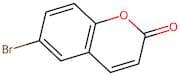
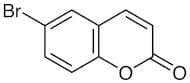
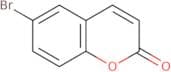
CAS 19063-55-9
:6-Bromo-2H-1-benzopyran-2-one
- 2H-1-benzopyran-2-one, 6-bromo-
- 6-Bromo-2H-1-benzopyran-2-one
- 6-Bromo-2H-chromen-2-one
- 6-Bromochromene-2-one
- Coumarin, 6-bromo-
- NSC 146624
- 6-Bromocoumarin
2H-1-Benzopyran-2-one, 6-bromo-
CAS:Formula:C9H5BrO2Purity:97%Color and Shape:SolidMolecular weight:225.03886-Bromo-2H-chromen-2-one
CAS:Formula:C9H5BrO2Purity:>98.0%(GC)Color and Shape:White to Light yellow powder to crystalMolecular weight:225.046-Bromocoumarin
CAS:6-Bromocoumarin is a synthetic heterocycle that has been shown to be effective in the treatment of cervical cancer. It inhibits cholinesterase enzymes and causes cross-coupling reactions, which leads to DNA damage. 6-Bromocoumarin also displays anti-inflammatory properties and has been shown to inhibit phosphatases, as well as progesterone receptor in human lung cells. In addition, it displays fluorescence properties and has been shown to segregate into two phases when mixed with malonic acid. The mechanism of action involves the following steps: 1) 6-bromocoumarin reacts with the enzyme cholinesterase; 2) this reaction releases acetylcholine from the enzyme; 3) acetylcholine binds to muscarinic receptors on cells, leading to an increase in intracellular calcium levels; 4) increased intracellular calcium levels activate phosphatases, which are proteins that break down proteins
Formula:C9H5BrO2Purity:Min. 95%Color and Shape:PowderMolecular weight:225.04 g/mol