CAS 19130-39-3
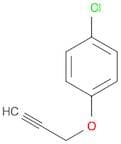
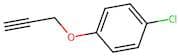
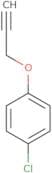
:Benzene, 1-chloro-4-(2-propynyloxy)-
Description:
Benzene, 1-chloro-4-(2-propynyloxy)-, also known by its CAS number 19130-39-3, is an organic compound characterized by a benzene ring substituted with a chlorine atom and a propynyloxy group. This compound features a chlorine atom at the para position relative to the propynyloxy substituent, which is a functional group derived from propyne. The presence of the chlorine atom introduces reactivity, making it a potential candidate for further chemical transformations, such as nucleophilic substitution reactions. The propynyloxy group contributes to the compound's overall hydrophobic character, influencing its solubility in organic solvents rather than water. Additionally, the compound may exhibit interesting properties related to its electronic structure due to the conjugation between the aromatic system and the alkyne moiety. As with many chlorinated aromatic compounds, it is essential to handle this substance with care due to potential toxicity and environmental concerns. Proper safety protocols should be followed when working with this compound in laboratory settings.
Formula:C9H7ClO
Sort by
Purity (%)
0
100
|
0
|
50
|
90
|
95
|
100
Found 4 products.
Benzene, 1-chloro-4-(2-propynyloxy)-
CAS:Formula:C9H7ClOPurity:97%Color and Shape:LiquidMolecular weight:166.60431-Chloro-4-(prop-2-yn-1-yloxy)benzene
CAS:1-Chloro-4-(prop-2-yn-1-yloxy)benzenePurity:97%Molecular weight:166.61g/mol1-chloro-4-(prop-2-yn-1-yloxy)benzene
CAS:1-Chloro-4-(prop-2-yn-1-yloxy)benzene is a copper chelating agent that is used in the production of organic chemicals. It is also an antimicrobial agent that has been shown to be active against filamentous fungi, including Aspergillus and Rhizopus species. This compound has been shown to inhibit the growth of Trichosporon species and itraconazole resistant strains of Candida albicans. The antimicrobial activity of 1-chloro-4-(prop-2-yn-1-yloxy)benzene is catalytic and additive, when combined with other agents such as benzalkonium chloride or thymol.Formula:C9H7ClOPurity:Min. 95%Molecular weight:166.6 g/mol