CAS 19481-82-4
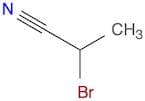
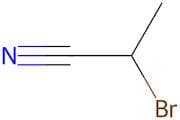
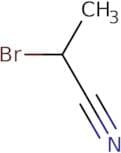
:2-bromopropionitrile
- Propanenitrile, 2-bromo-
- 2-Bromopropanenitrile
Ref: IN-DA00336W
1g32.00€5g82.00€10g127.00€1kgTo inquire25g203.00€50g363.00€100gTo inquire250gTo inquire500gTo inquire100mg20.00€250mg20.00€2-Bromopropionitrile
CAS:2-Bromopropionitrile is a chemical compound that is used in the production of nylon. The structure of 2-bromopropionitrile consists of a 6-carbon chain with two bromine atoms attached at either end. It has an n-dimethyl formamide group, which is an organic molecule containing nitrogen and carbon atoms. The 4-methoxybenzenesulfonyl chloride reacts with the 2-bromopropionitrile to give a diene, which has the formula CH=CHCHBr. This diene reacts with hydrochloric acid to produce hydrogen bromide gas and 2-bromopropionic acid. The activation energy for this reaction is 14 kilojoules per mole of reactants, which indicates that it should be carried out at high temperatures and pressures. Halides are able to act as nucleophiles in coordination chemistry because they have lone pairs on their outermost electron shell. Cation
Formula:C3H4BrNPurity:Min. 95%Color and Shape:Clear LiquidMolecular weight:133.97 g/mol