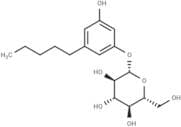
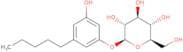
CAS 197307-49-6
:11-Dehydroxygrevilloside B
Description:
11-Dehydroxygrevilloside B is a chemical compound classified as a triterpenoid saponin, which is derived from certain plant sources, particularly those in the genus *Grevillia*. This compound is characterized by its complex molecular structure, which typically includes multiple rings and functional groups that contribute to its biological activity. It is known for its potential pharmacological properties, including anti-inflammatory and antioxidant effects, making it of interest in medicinal chemistry and natural product research. The presence of hydroxyl groups in its structure enhances its solubility in polar solvents and may influence its interaction with biological membranes. Additionally, saponins like 11-Dehydroxygrevilloside B can exhibit surfactant properties, which may affect their absorption and bioavailability in biological systems. Research into this compound is ongoing, focusing on its mechanisms of action and potential therapeutic applications. As with many natural products, the specific characteristics and effects can vary based on the source and extraction methods used.
Formula:C17H26O7
Synonyms:- 3-Hydroxy-5-pentylphenyl-beta-D-glucopyranoside
- β-D-Glucopyranoside, 3-hydroxy-5-pentylphenyl
- 11-Dehydroxygrevilloside B
Sort by
Purity (%)
0
100
|
0
|
50
|
90
|
95
|
100
Found 2 products.
11-Dehydroxygrevilloside B
CAS:11-Dehydroxygrevilloside B is a natural product for research related to life sciences. The catalog number is TN2581 and the CAS number is 197307-49-6.Formula:C17H26O7Purity:98%Color and Shape:SolidMolecular weight:342.3811-Dehydroxygrevilloside B
CAS:11-Dehydroxygrevilloside B is a natural glycoside compound, which is primarily isolated from the plant genus Grevillea. This genus is known for its rich diversity of secondary metabolites with various biological activities. The mode of action of 11-Dehydroxygrevilloside B involves interactions with specific molecular targets, potentially influencing biochemical pathways associated with inflammation, oxidative stress, or other cellular processes. Its exact mechanism is still under research, aiming to unravel its potential therapeutic or protective effects. Applications of 11-Dehydroxygrevilloside B are mainly within the realm of biochemical and pharmacological research, where it serves as a subject for in vitro or in vivo experiments to explore its efficacy and safety profile. Its study contributes to understanding how plant-derived compounds can be harnessed for medicinal purposes and augments the exploration of novel drug candidates from natural sources.Formula:C17H26O7Purity:Min. 95 Area-%Color and Shape:PowderMolecular weight:342.38 g/mol