CAS 19993-32-9
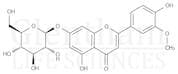
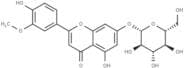
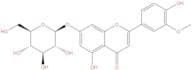
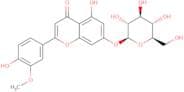
:Chrysoeriol-7-O-β-D-glucopyranoside
Description:
Chrysoeriol-7-O-β-D-glucopyranoside is a flavonoid glycoside, which is a type of compound characterized by the presence of a flavonoid moiety linked to a sugar molecule, specifically glucose in this case. This compound is derived from chrysoeriol, a naturally occurring flavonoid known for its antioxidant properties. The glycosylation at the 7-position enhances its solubility and bioavailability in biological systems. Chrysoeriol-7-O-β-D-glucopyranoside is often found in various plants, contributing to their health benefits and potential therapeutic effects. It exhibits various biological activities, including anti-inflammatory, antioxidant, and potential anticancer properties. The presence of the glucopyranoside group may also influence its interaction with biological targets, enhancing its pharmacological profile. As a natural product, it is of interest in the fields of nutrition, herbal medicine, and pharmacognosy, where it may be studied for its potential health benefits and applications in functional foods or dietary supplements.
Formula:C22H22O11
Synonyms:- Thermopsoside
Sort by
Purity (%)
0
100
|
0
|
50
|
90
|
95
|
100
Found 4 products.
Thermopsoside
CAS:Chrysoeriol-7-O-glucoside can strongly inhibit the classical pathway of the complement system.Chrysoeriol-7-O-d-glucoside and luteolin-7-O-d-glucoside canFormula:C22H22O11Purity:98%Color and Shape:SolidMolecular weight:462.4Thermopsoside
CAS:Thermopsoside is an organic acid that has been isolated from the plant species Vitex agnus-castus. Thermopsoside has shown antibacterial activity against a variety of bacteria and fungi, including Escherichia coli, Staphylococcus aureus, and Candida albicans. It is thought to act by inhibiting the synthesis of fatty acids and vitexin in the bacterial cell membrane or by binding to the bacterial ribosome. Thermopsoside also shows anti-inflammatory effects on skin cells and is used in some cosmetic products as an ingredient in skin-conditioning lotions. Thermopside inhibits prostaglandin production by blocking cyclooxygenase (COX) enzymes.Formula:C22H22O11Purity:Min. 98 Area-%Color and Shape:PowderMolecular weight:462.4 g/mol