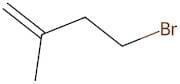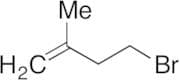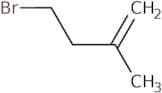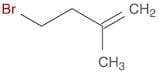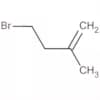
CAS 20038-12-4
:1-Butene, 4-bromo-2-methyl-
Description:
1-Butene, 4-bromo-2-methyl- is an organic compound characterized by its structure, which includes a butene backbone with a bromine atom and a methyl group attached to specific carbon atoms. This compound is classified as an alkene due to the presence of a carbon-carbon double bond, which contributes to its reactivity, particularly in addition reactions. The bromine substituent introduces halogen characteristics, making it a potential candidate for nucleophilic substitution reactions. The presence of the methyl group affects the compound's sterics and electronic properties, influencing its reactivity and stability. Typically, compounds like this are used in organic synthesis and may serve as intermediates in the production of more complex molecules. Additionally, the compound's physical properties, such as boiling point and solubility, are influenced by its molecular structure and the presence of functional groups. Safety data sheets should be consulted for handling and storage guidelines, as halogenated compounds can pose health and environmental risks.
Formula:C5H9Br
Synonyms:- 4-Bromo-2-methyl-1-butene
Sort by
Purity (%)
0
100
|
0
|
50
|
90
|
95
|
100
Found 5 products.
4-Bromo-2-methylbut-1-ene
CAS:Formula:C5H9BrPurity:95.0%Color and Shape:LiquidMolecular weight:149.0314-Bromo-2-methyl-1-butene
CAS:Controlled ProductApplications 4-Bromo-2-methyl-1-butene is an substituent in the synthesis of Ryanodol, a potent modulator of the calcium release channels.
Not a dangerous good if item is equal to or less than 1g/ml and there is less than 100g/ml in the package
References Nagatomo, M., et al.: J. Am. Chem. Soc., 136, 5916 (2014);Formula:C5H9BrColor and Shape:NeatMolecular weight:149.034-Bromo-2-methylbut-1-ene
CAS:4-Bromo-2-methylbut-1-ene is an alkylating agent that reacts with DNA, RNA and proteins. It has been shown to be effective in the treatment of bladder cancer. 4-Bromo-2-methylbut-1-ene is used as a trifluoride source for boron trifluoride etherate, which is then reacted with plant tissues. This reaction yields a prenyl group, which can be further processed to yield an alkynyl group. The alkynyl group can be reacted with anhydrous sodium to form a chloride salt. This salt can then react with carbon monoxide to form a carbone molecule, which is the final product of this chemical process.Purity:Min. 95%1-Butene, 4-bromo-2-methyl-
CAS:Formula:C5H9BrPurity:95%Color and Shape:LiquidMolecular weight:149.0290