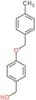
CAS 201058-08-4
:Wang resin
Description:
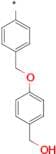
Wang resin, identified by the CAS number 201058-08-4, is a type of polymeric support used primarily in solid-phase peptide synthesis (SPPS). It is characterized by its ability to facilitate the attachment of amino acids through a stable linkage, allowing for the sequential addition of building blocks to form peptides. The resin typically features a functional group that can be easily modified or cleaved under specific conditions, enabling the release of the synthesized peptide. Wang resin is known for its high loading capacity and efficiency in peptide synthesis, making it a popular choice among researchers in the field of organic chemistry and biochemistry. Its physical properties include a solid, bead-like form that is insoluble in common solvents, which aids in the purification and isolation of the final peptide product. Additionally, the resin's compatibility with various coupling reagents and reaction conditions enhances its versatility in synthetic applications. Overall, Wang resin is a valuable tool in the synthesis of peptides and other biomolecules.
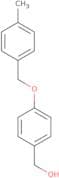
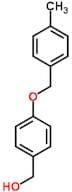
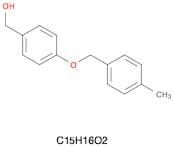
Formula:C15H16O2
InChI:InChI=1/C15H16O2/c1-12-2-4-14(5-3-12)11-17-15-8-6-13(10-16)7-9-15/h2-9,16H,10-11H2,1H3
SMILES:Cc1ccc(cc1)COc1ccc(cc1)CO
Synonyms:- 4-Benzyloxybenzyl alcohol, polymer-supported~Polystyrene PHB
- [4-(Hydroxymethyl)phenoxymethyl]polystyrene divinylbenzene copolymer
- {4-[(4-Methylbenzyl)Oxy]Phenyl}Methanol
Sort by
Purity (%)
0
100
|
0
|
50
|
90
|
95
|
100
Found 5 products.
Wang resin (4-Benzyloxybenzylalcohol resin) 100-200 mesh 1% DVB 1.0-1.4 meq/g substitution
CAS:Molecular weight:213.091554656Wang resin
CAS:Wang resin is a chemical compound that is used in preparative high-performance liquid chromatography (HPLC) to separate and purify peptides. Wang resin contains a disulfide bond and is synthesized from trifluoroacetic acid and an amine. It can be used to separate amino acids with the same side chain, such as lysine, arginine, and cysteine. Wang resin has been shown to have anti-cancer effects against prostate cancer cells by inhibiting the growth of these cells through receptor binding. The presence of hydroxyl groups in the Wang resin may affect its stability.Formula:C15H16O2Purity:Min. 95%Color and Shape:PowderMolecular weight:228.29 g/molRef: IN-DA00JKIO
Discontinued product