CAS 2014-75-7
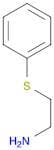
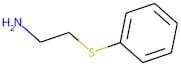
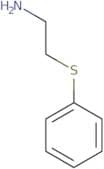
:2-(Phenylthio)ethanamine
- 2-(Phenylsulfanyl)Ethanamine
- 2-(Phenylsulfanyl)Ethanaminium
2-(Phenylsulfanyl)ethan-1-amine
CAS:2-(Phenylsulfanyl)ethan-1-amineFormula:C8H11NSPurity:techColor and Shape: colourless to yellow liquidMolecular weight:153.24g/mol2-(Phenylthio)ethanamine hydrochloride
CAS:2-Phenylthioethanamine hydrochloride is a synthetic, water soluble and lipophilic compound with a molecular weight of 171.2 g/mol. It is an antagonist of the -receptor and binds to the transporter protein. This drug is used for diagnostic purposes in angiography, phthalate determination, stable complexes for diagnosis and polymerase chain reaction (PCR) enzyme activities. 2-Phenylthioethanamine hydrochloride has been found to inhibit tumor growth in mice treated with radiation or chemotherapy. It has also been shown to be effective in the treatment of popliteal tumors in rats. The drug has been shown to be effective against bacteria that are resistant to antibiotics such as methicillin and amoxicillin. This drug also has effects on clinical relevance by inhibiting enzymes involved in clinical relevance such as acetylcholinesterase, phosphodiesterase and lipases.
Formula:C8H11NSPurity:Min. 95%Color and Shape:PowderMolecular weight:153.25 g/mol