CAS 2051-90-3
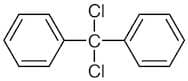
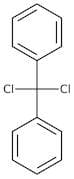
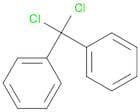
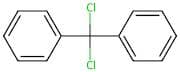
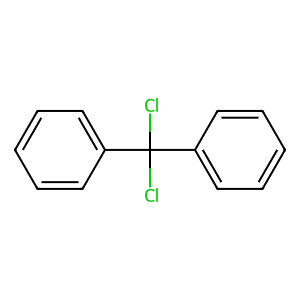
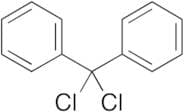
:Dichlorodiphenylmethane
Description:
Dichlorodiphenylmethane, also known as DDT, is an organic compound characterized by its structure, which consists of two phenyl rings connected by a methane bridge, with two chlorine atoms attached to the aromatic rings. It is a colorless to white crystalline solid that is relatively insoluble in water but soluble in organic solvents. DDT is known for its insecticidal properties and was widely used in agriculture and for vector control in public health due to its effectiveness against mosquitoes and other pests. However, its persistence in the environment and potential to bioaccumulate in the food chain raised significant ecological and health concerns, leading to its ban in many countries. DDT is classified as a persistent organic pollutant (POP) and is subject to international regulations under the Stockholm Convention. Its chemical stability and lipophilicity contribute to its long half-life in the environment, making it a subject of ongoing research regarding its environmental impact and potential alternatives for pest control.
Formula:C13H10Cl2
InChI:InChI=1S/C13H10Cl2/c14-13(15,11-7-3-1-4-8-11)12-9-5-2-6-10-12/h1-10H
InChI key:InChIKey=OPTDDWCXQQYKGU-UHFFFAOYSA-N
SMILES:C(Cl)(Cl)(C1=CC=CC=C1)C2=CC=CC=C2
Synonyms:- Diphenyldichloromethane
- Benzene, 1,1′-(dichloromethylene)bis-
- Dichlorodiphenylmethane
- 1,1′-(Dichloromethylene)bis[benzene]
- Methane, dichlorodiphenyl-
Sort by
Purity (%)
0
100
|
0
|
50
|
90
|
95
|
100
Found 9 products.
α,α-Dichlorodiphenylmethane
CAS:Formula:C13H10Cl2Purity:>98.0%(GC)Color and Shape:Colorless to Light yellow clear liquidMolecular weight:237.12α,α-Dichlorodiphenylmethane, 97%
CAS:,-Dichlorodiphenylmethane is a degradation product of of polychloroaromatic insecticides such as Dicofol (D436700) and DDT. It is also used as a catalyst for photodegradation of plastics. It is an important raw material and intermediate used in Organic Synthesis, Pharmaceuticals, Agrochemicals. ThiFormula:C13H10Cl2Purity:97%Color and Shape:Clear colorless to yellow, LiquidMolecular weight:237.12Benzene, 1,1'-(dichloromethylene)bis-
CAS:Formula:C13H10Cl2Purity:98%Color and Shape:LiquidMolecular weight:237.1245Dichlorodiphenylmethane
CAS:Dichlorodiphenylmethane (Benzophenone dichloride) is used as pharmaceutical intermediates.Formula:C13H10Cl2Purity:97%Color and Shape:Clear Light Yellow LiquidMolecular weight:237.12Dichlorodiphenylmethane
CAS:Formula:C13H10Cl2Purity:95.0%Color and Shape:LiquidMolecular weight:237.12a,a-Dichlorodiphenylmethane
CAS:Controlled ProductApplications α,α-Dichlorodiphenylmethane is a degradation product of polychloroaromatic insecticides such as Dicofol (D436700) and DDT. α,α-Dichlorodiphenylmethane is also used as a catalyst for photodegradation of plastics.
References Golovleva, L.A. et al.: Mikrobiologiya, 51, 973 (1982); Freedman, B.: J. Appl. Polym. Sci., 20, 911 (1976);Formula:C13H10Cl2Color and Shape:NeatMolecular weight:237.12±,±-Dichlorodiphenylmethane
CAS:Dichlorodiphenylmethane is a chemical that is used as an insecticide and a herbicide. It is also used as an intermediate in the production of other chemicals. This chemical has a hydrogen bond with hydrochloric acid, which generates cross-linking agents for pharmaceutical preparations. Dichlorodiphenylmethane can be reacted with methyl ethyl or hydroxyl groups to form diphenyl ethers or stilbene derivatives, respectively. Carbonyl groups are formed when dichlorodiphenylmethane reacts with light emission to generate kinetic data about reaction intermediates and reaction mechanisms. Chlorine atoms are obtained by reacting dichlorodiphenylmethane with phosphorus pentachloride.Formula:C13H10Cl2Purity:Min. 95%Molecular weight:237.12 g/mol