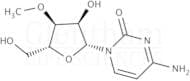
CAS 20594-00-7
:Cytidine, 3'-O-methyl-
Description:
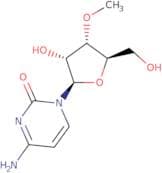
Cytidine, 3'-O-methyl- is a nucleoside derivative characterized by the presence of a methyl group attached to the 3' hydroxyl position of the ribose sugar moiety of cytidine. This modification can influence the stability and biological activity of the molecule, particularly in the context of nucleic acid interactions and enzymatic processes. The compound retains the pyrimidine base, cytosine, which is essential for its role in nucleic acid synthesis and function. Cytidine, 3'-O-methyl- is often studied for its potential applications in molecular biology and medicinal chemistry, particularly in the development of nucleoside analogs that can modulate biological pathways. Its CAS number, 20594-00-7, is a unique identifier that facilitates the cataloging and retrieval of information regarding this specific chemical substance. As with many nucleoside derivatives, its solubility, stability, and reactivity can vary based on environmental conditions, making it a subject of interest in both research and pharmaceutical contexts.
Formula:C10H15N3O5
Sort by
Purity (%)
0
100
|
0
|
50
|
90
|
95
|
100
Found 6 products.
Cytidine, 3'-O-methyl-
CAS:Formula:C10H15N3O5Purity:98%Color and Shape:SolidMolecular weight:257.24323'-O-Methylcytidine
CAS:Nucleoside - 3’-O-methyl nucleosideFormula:C10H15N3O5Color and Shape:SolidMolecular weight:257.243'-O-Methylcytidine
CAS:3'-O-Methylcytidine is an acidic guanine nucleoside that is a component of RNA. It is a biochemical building block and a co-substrate in the synthesis of DNA and RNA. 3'-O-Methylcytidine has been shown to be hydroxylated by the enzyme cytidine 5'-monophosphate, which leads to its termination when it reaches the ribosome. This nucleoside also inhibits bacterial growth through inhibition of ribosomal function, leading to reduced protein synthesis. 3'-O-Methylcytidine can act as an environmental pollutant, especially in chloride environments such as seawater. It has been found to be globally distributed in dinucleotides and monomethylated forms, with biosynthetic pathways similar to other nucleic acids.
Formula:C10H15N3O5Purity:Min. 98 Area-%Color and Shape:White PowderMolecular weight:257.24 g/mol