CAS 206660-42-6
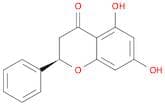
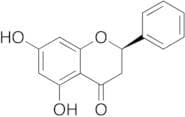
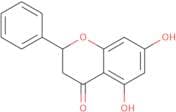
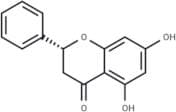
:(2R)-Pinocembrin
Description:
(2R)-Pinocembrin, with the CAS number 206660-42-6, is a flavonoid compound primarily found in various plants, particularly in the family of the Zingiberaceae. This compound is characterized by its chiral structure, which includes a flavan backbone with a hydroxyl group at the 5-position and a methoxy group at the 7-position. It exhibits a pale yellow to white crystalline appearance and is soluble in organic solvents like ethanol and methanol, but less soluble in water. (2R)-Pinocembrin is known for its potential biological activities, including antioxidant, anti-inflammatory, and neuroprotective properties, making it of interest in pharmacological research. Its stereochemistry plays a crucial role in its biological activity, as the (2R) configuration is associated with specific interactions in biological systems. Additionally, it is often studied for its potential health benefits, including its role in traditional medicine and its applications in nutraceuticals.
Formula:C15H12O4
Synonyms:- (2R)-Pinocembrin
- 4H-1-Benzopyran-4-one, 2,3-dihydro-5,7-dihydroxy-2-phenyl-, (2R)-
- (R)-PinoceMbrin
Sort by
Purity (%)
0
100
|
0
|
50
|
90
|
95
|
100
Found 4 products.
4H-1-Benzopyran-4-one, 2,3-dihydro-5,7-dihydroxy-2-phenyl-, (2R)-
CAS:Formula:C15H12O4Color and Shape:SolidMolecular weight:256.2534(R)-Pinocembrin
CAS:Controlled Product<p>Applications (2R)-Pinocembrin is the (R)-enantiomer of Pinocembrin, a flavanoid with antioxidant activity found in damiana, honey, and propolis. (2R)-Pinocembrin is a potential inhibitor of PIM1 kinase, an oncogene that has been implicated in the development of leukemias, lymphomas, and prostate cancer.<br>References Zhao, J. et al.: J. Ethnopharmacol., 120, 387 (2008); Holder, S. et al.: Mol. Cancer Ther., 6, 163 (2007); Holder, S. et al.: Bioorg. Med. Chem., 15, 6463 (2007);<br></p>Formula:C15H12O4Color and Shape:WhiteMolecular weight:256.25(R)-Pinocembrin
CAS:<p>(R)-Pinocembrin is a flavanone, which is a type of flavonoid compound. It is naturally sourced from a variety of plants, notably in honey, propolis, and certain fruits and vegetables. Its mode of action is primarily through its antioxidative and anti-inflammatory activities. (R)-Pinocembrin functions by scavenging free radicals, inhibiting inflammatory cytokines, and modulating various cellular pathways, which can impact oxidative stress and inflammation at a molecular level.</p>Formula:C15H12O4Purity:Min. 95%Molecular weight:256.25 g/mol(-)-Pinocembrin
CAS:(-)-Pinocembrin: Anti-tuberculosis (IC50: 1.11 mg/mL dormant, 1.21 mg/mL active), antiproliferative (IC50: 1.88-11 mg/mL on various cell lines).Formula:C15H12O4Color and Shape:SolidMolecular weight:256.25