CAS 20872-28-0
:Acetic acid, (4-hydroxyphenoxy)-, ethyl ester
Description:
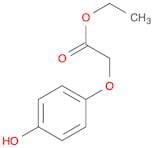
Acetic acid, (4-hydroxyphenoxy)-, ethyl ester, also known by its CAS number 20872-28-0, is an organic compound characterized by its ester functional group derived from acetic acid and 4-hydroxyphenol. This compound typically appears as a colorless to pale yellow liquid with a pleasant, fruity odor. It is soluble in organic solvents and exhibits moderate solubility in water due to the presence of both hydrophobic and hydrophilic components in its structure. The compound is often used in various applications, including as a reagent in organic synthesis and as an intermediate in the production of pharmaceuticals and agrochemicals. Its chemical properties include the ability to undergo hydrolysis, transesterification, and other reactions typical of esters. Additionally, it may exhibit antioxidant properties due to the presence of the phenolic group. Safety data should be consulted for handling and exposure guidelines, as with any chemical substance, to ensure proper safety measures are taken during use.
Formula:C10H12O4
Sort by
Purity (%)
0
100
|
0
|
50
|
90
|
95
|
100
Found 4 products.
Ethyl 2-(4-hydroxyphenoxy)acetate
CAS:Formula:C10H12O4Purity:95%Color and Shape:SolidMolecular weight:196.1999Ethyl 2-(4-hydroxyphenoxy)acetate
CAS:Ethyl 2-(4-hydroxyphenoxy)acetatePurity:95%Molecular weight:196.20g/molEthyl 2-(4-hydroxyphenoxy)acetate
CAS:Ethyl 2-(4-hydroxyphenoxy)acetate is a heterocyclic compound that binds to insulin receptor and activates it. It has been shown to be an agonist of the insulin receptor and has also been shown to increase glucose uptake in cells. This compound has been found to be effective in animal models for type 2 diabetes, as well as showing efficacy in cell culture experiments. Ethyl 2-(4-hydroxyphenoxy)acetate is lipophilic, which means it can cross the blood-brain barrier, making it a potential candidate for treatment of neurological disorders such as Alzheimer's disease.Formula:C10H12O4Purity:Min. 95%Molecular weight:196.2 g/mol