![2,2′-Oxybis[acetyl chloride]](/_next/image/?url=https%3A%2Fstatic.cymitquimica.com%2Fcas-image%2Fthumb-webp%2F95102-22-oxybis-acetyl-chloride.webp&w=3840&q=75)
CAS 21062-20-4
:2,2′-Oxybis[acetyl chloride]
Description:
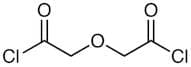
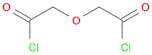
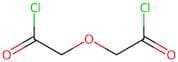
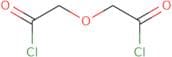
2,2′-Oxybis[acetyl chloride], with the CAS number 21062-20-4, is an organic compound characterized by its structure, which features two acetyl chloride groups linked by an oxygen atom. This compound is typically a colorless to pale yellow liquid and is known for its strong reactivity, particularly as an acylating agent. It readily reacts with water, alcohols, and amines, releasing hydrochloric acid in the process. Due to its reactivity, it is often used in organic synthesis for the introduction of acetyl groups into various substrates. The compound is sensitive to moisture and should be handled under anhydrous conditions to prevent hydrolysis. Safety precautions are essential when working with 2,2′-Oxybis[acetyl chloride], as it can cause severe irritation to the skin, eyes, and respiratory tract. Proper storage in a cool, dry place, away from incompatible materials, is crucial to maintain its stability and effectiveness in chemical reactions.
Formula:C4H4Cl2O3
InChI:InChI=1S/C4H4Cl2O3/c5-3(7)1-9-2-4(6)8/h1-2H2
InChI key:InChIKey=GTZXSBQCNBNWPK-UHFFFAOYSA-N
SMILES:O(CC(Cl)=O)CC(Cl)=O
Synonyms:- 2,2'-Oxydiacetyl Chloride
- 2,2′-Oxybis[acetyl chloride]
- 2-(2-Chloro-2-Oxoethoxy)Acetyl Chloride
- Acetyl chloride, 2,2′-oxybis-
- Acetyl chloride, oxydi-
- Diglycolic acid chloride
- Diglycolic acid dichloride
- Diglycolic dichloride
- Diglycoloyl chloride
- Diglycolyl dichloride
- Oxybis(acetyl chloride)
- Oxydiacetyl chloride
- See more synonyms
Sort by
Purity (%)
0
100
|
0
|
50
|
90
|
95
|
100
Found 5 products.
2,2'-Oxydiacetyl Chloride
CAS:Formula:C4H4Cl2O3Purity:>97.0%(GC)(T)Color and Shape:Colorless to Light orange to Yellow clear liquidMolecular weight:170.97Acetyl chloride, 2,2'-oxybis-
CAS:Formula:C4H4Cl2O3Purity:97%Color and Shape:LiquidMolecular weight:170.97882,2′-oxydiacetyl chloride
CAS:Formula:C4H4Cl2O3Purity:97%Color and Shape:LiquidMolecular weight:170.97Diglycolyl chloride
CAS:Diglycolyl chloride is a chemical compound that is used as an antimicrobial agent. It binds to the receptor binding site on the 5-HT7 receptor and inhibits the production of inflammatory cytokines such as TNF-α, IL-6, and IL-1β. Diglycolyl chloride has been shown to be a potent inhibitor of autoimmune diseases such as lupus and rheumatoid arthritis. It also prevents the release of histamine from mast cells by inhibiting protein kinase C activity. The chemical stability of diglycolyl chloride makes it an excellent candidate for use in diagnostic agents.Formula:C4H4Cl2O3Purity:Min. 95%Color and Shape:Clear LiquidMolecular weight:170.98 g/mol