CAS 21401-21-8
:Taxiphyllin
Description:
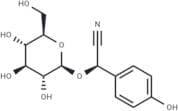
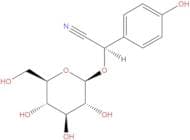
Taxiphyllin, with the CAS number 21401-21-8, is a chemical compound that belongs to the class of alkaloids. It is primarily derived from the plant species Taxus, commonly known as yew trees. Taxiphyllin is characterized by its complex molecular structure, which includes multiple functional groups that contribute to its biological activity. This compound is known for its potential pharmacological properties, including anti-cancer and anti-inflammatory effects, making it of interest in medicinal chemistry and drug development. Taxiphyllin's mechanism of action may involve the modulation of various cellular pathways, although detailed studies are necessary to fully elucidate its effects. Additionally, it is important to handle Taxiphyllin with care, as many compounds derived from yew plants can be toxic in certain concentrations. Overall, Taxiphyllin represents a fascinating area of study within natural products chemistry, with ongoing research aimed at exploring its therapeutic potential and safety profile.
Formula:C14H17NO7
InChI:InChI=1S/C14H17NO7/c15-5-9(7-1-3-8(17)4-2-7)21-14-13(20)12(19)11(18)10(6-16)22-14/h1-4,9-14,16-20H,6H2/t9-,10+,11+,12-,13+,14+/m0/s1
InChI key:InChIKey=NVLTYOJHPBMILU-GMDXDWKASA-N
SMILES:O([C@@H](C#N)C1=CC=C(O)C=C1)[C@@H]2O[C@H](CO)[C@@H](O)[C@H](O)[C@H]2O
Synonyms:- Acetonitrile, (β-D-glucopyranosyloxy)(p-hydroxyphenyl)-
- (αR)-α-(β-D-Glucopyranosyloxy)-4-hydroxybenzeneacetonitrile
- Benzeneacetonitrile, α-(β-D-glucopyranosyloxy)-4-hydroxy-, (αR)-
- Glucopyranoside, D-α-cyano-p-hydroxybenzyl
- Benzeneacetonitrile, α-(β-D-glucopyranosyloxy)-4-hydroxy-, (R)-
Sort by
Purity (%)
0
100
|
0
|
50
|
90
|
95
|
100
Found 4 products.
Taxiphyllin
CAS:Taxiphyllin can inhibit tyrosinase activity in vitro significantly and is a potent tyrosinase inhibitor.Formula:C14H17NO7Purity:98%Color and Shape:SolidMolecular weight:311.29Taxiphyllin
CAS:Taxiphyllin is a type of cyanogenic glucoside, which is a naturally occurring compound found in certain plants. It is derived primarily from bamboo shoots, among other plant sources. The compound undergoes hydrolysis when the plant tissue is damaged, such as during chewing or processing. This hydrolytic reaction, typically catalyzed by the enzyme β-glucosidase, results in the release of hydrogen cyanide, a potent defense mechanism for the plant against herbivores and pests.
Formula:C14H17NO7Purity:Min. 95%Molecular weight:311.29 g/molRef: 3D-WAA40121
Discontinued product