CAS 21744-88-7
:1-Phenylcyclopropanecarboxaldehyde
Description:
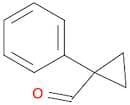
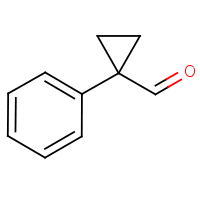
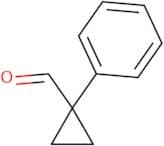
1-Phenylcyclopropanecarboxaldehyde, with the CAS number 21744-88-7, is an organic compound characterized by its unique cyclopropane structure fused with a phenyl group and an aldehyde functional group. This compound typically appears as a colorless to pale yellow liquid and has a distinctive aromatic odor. Its molecular structure features a three-membered cyclopropane ring attached to a phenyl group, which contributes to its chemical reactivity and stability. The presence of the aldehyde functional group makes it susceptible to oxidation and nucleophilic attack, allowing it to participate in various chemical reactions, such as condensation and addition reactions. 1-Phenylcyclopropanecarboxaldehyde is often used in organic synthesis and may serve as an intermediate in the production of pharmaceuticals, agrochemicals, and other fine chemicals. Its properties, including boiling point and solubility, can vary based on environmental conditions and purity. As with many organic compounds, handling should be done with care, considering potential health and safety hazards.
Formula:C10H10O
InChI:InChI=1S/C10H10O/c11-8-10(6-7-10)9-4-2-1-3-5-9/h1-5,8H,6-7H2
InChI key:InChIKey=SMYKJEFTTNCUSN-UHFFFAOYSA-N
SMILES:C(=O)C1(CC1)C2=CC=CC=C2
Synonyms:- 1-Phenyl-1-cyclopropanecarbaldehyde
- 1-Phenylcyclopropane-1-carboxaldehyde
- 1-Phenylcyclopropanecarboxaldehyde
- Cyclopropanecarboxaldehyde, 1-Phenyl-
- 1-Phenylcyclopropanecarbaldehyde
Sort by
Purity (%)
0
100
|
0
|
50
|
90
|
95
|
100
Found 4 products.
1-Phenylcyclopropane-1-carbaldehyde
CAS:Formula:C10H10OPurity:96%Color and Shape:LiquidMolecular weight:146.18581-Phenylcyclopropanecarbaldehyde
CAS:1-PhenylcyclopropanecarbaldehydePurity:≥95%Molecular weight:146.19g/molRef: 10-F230822
1g401.00€5g1,531.00€10g3,061.00€2.5g960.00€50mg86.00€100mg104.00€250mg181.00€500mg328.00€1-Phenylcyclopropanecarbaldehyde
CAS:1-Phenylcyclopropanecarbaldehyde is a compound that inhibits the metabolic disorder of phenoxy, alkylthio group, and α7 nicotinic acetylcholine. It has been shown to have an inhibitory effect on inflammatory diseases. 1-Phenylcyclopropanecarbaldehyde has also been shown to be an antimicrobial agent against bacteria, fungi, and parasites. This compound is metabolized by hydrolysis, oxidation, or reduction. 1-Phenylcyclopropanecarbaldehyde contains a chlorine atom in its chemical structure and reacts with hydrogen peroxide to produce chloroform. The hydroxy group in this compound can react with the insulin receptor in cells of the pancreas to cause insulin resistance and subsequently diabetes mellitus.
Formula:C10H10OPurity:Min. 95%Molecular weight:146.19 g/mol