CAS 21881-18-5
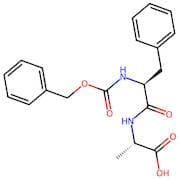
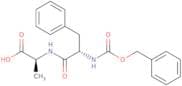
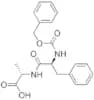
:Z-L-phenylalanyl-L-alanine
Description:
Z-L-phenylalanyl-L-alanine, also known by its CAS number 21881-18-5, is a dipeptide composed of the amino acids phenylalanine and alanine. This compound features a protective Z (benzyloxycarbonyl) group on the phenylalanine residue, which enhances its stability and solubility. It is typically used in biochemical research and peptide synthesis due to its structural properties and potential biological activity. The presence of the aromatic phenyl group contributes to its hydrophobic characteristics, while the alanine residue provides a more neutral, aliphatic component. Z-L-phenylalanyl-L-alanine can participate in various biochemical interactions, making it of interest in studies related to protein structure and function. Additionally, its synthesis and characterization are important in the development of pharmaceuticals and therapeutic peptides. As with many peptides, its solubility and stability can be influenced by factors such as pH and temperature, which are critical considerations in experimental applications.
Formula:C20H22N2O5
Synonyms:- N-cbz-phe-ala
- Z-Phe-Ala-OH
Sort by
Purity (%)
0
100
|
0
|
50
|
90
|
95
|
100
Found 5 products.
Z-Phe-Ala-OH
CAS:Sensitive substrate for cathepsin A.Formula:C20H22N2O5Purity:> 99%Color and Shape:White PowderMolecular weight:370.41L-Alanine, N-[(phenylmethoxy)carbonyl]-L-phenylalanyl-
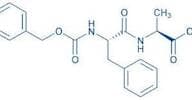
CAS:Formula:C20H22N2O5Purity:95%Color and Shape:SolidMolecular weight:370.3991Z-Phe-Ala-OH
CAS:Z-Phe-Ala-OH is a synthetic amino acid with the chemical formula of C10H13NO3. This compound is a racemic mixture of L-Z-Phe and D-Z-Phe. Z-Phe-Ala-OH has been shown to inhibit protein synthesis by acting as an enzyme inhibitor, which leads to neuronal death. It also has reactive properties that can lead to cell death, which may be due to its ability to react with methyl ketones. Z-Phe-Ala-OH's acidic nature makes it a toxic compound for cells and can cause apoptotic effects. The reactive properties of this compound make it a potential candidate for use in cancer therapy and other treatments that target glutamate receptors and their signaling pathways, such as excitotoxic or glutamate antagonists.
Formula:C20H22N2O5Purity:Min. 95%Color and Shape:White To Off-White SolidMolecular weight:370.4 g/mol

![L-Alanine, N-[(phenylmethoxy)carbonyl]-L-phenylalanyl-](/_next/image/?url=https%3A%2Fstatic.cymitquimica.com%2Fproducts%2FIN%2Fthumb%2FDA00I48Z.jpg&w=3840&q=75)