CAS 2198-77-8
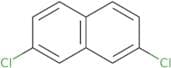
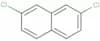
:2,7-Dichloronaphthalene
Description:
2,7-Dichloronaphthalene is an aromatic compound characterized by the presence of two chlorine atoms attached to the naphthalene structure at the 2 and 7 positions. It is a colorless to pale yellow solid at room temperature, exhibiting a melting point that typically falls within a specific range. This compound is known for its relatively low solubility in water but is soluble in organic solvents such as ethanol and acetone. 2,7-Dichloronaphthalene is primarily used in chemical synthesis and as an intermediate in the production of various chemicals, including dyes and pesticides. It has a distinct aromatic odor and is classified as a polycyclic aromatic hydrocarbon (PAH), which may raise environmental and health concerns due to its potential toxicity and persistence in the environment. Safety precautions are advised when handling this compound, as it may pose risks through inhalation or skin contact. Overall, 2,7-Dichloronaphthalene is an important compound in organic chemistry with specific applications and safety considerations.
Formula:C10H6Cl2
InChI:InChI=1S/C10H6Cl2/c11-9-3-1-7-2-4-10(12)6-8(7)5-9/h1-6H
InChI key:InChIKey=DWBQZSYTSNYEEJ-UHFFFAOYSA-N
SMILES:ClC1=CC2=C(C=CC(Cl)=C2)C=C1
Synonyms:- Naphthalene, 2,7-dichloro-
- Nsc 112382
- Pcn 12
- 2,7-Dichloronaphthalene
- 2,7-Dichloronaphthalene
Sort by
Purity (%)
0
100
|
0
|
50
|
90
|
95
|
100
Found 2 products.
2,7-Dichloronaphthalene
CAS:2,7-Dichloronaphthalene is a chlorinated organic chemical that has been used as an insecticide and acaricide. It is metabolized by cytochrome P-450 to form 2,7-dichloronaphthalene oxide, which is then converted to 2,7-dichloronaphthoic acid. This chemical can accumulate in adipose tissue and the liver of animals exposed to it. It also bioconcentrates in aquatic organisms and biomagnifies in food chains. 2,7-Dichloronaphthalene is not acutely toxic because it does not readily penetrate the skin or respiratory tract. Chronic exposure by ingestion or inhalation can cause adverse effects on the central nervous system, cardiac system, and blood cells. The most toxic effect of 2,7-dichloronaphthalene is its carcinogenic potential for humans and animals.Formula:C10H6Cl2Purity:Min. 95%Color and Shape:White PowderMolecular weight:197.06 g/mol