CAS 2260-12-0
:Phenylalanine, b-methyl-
Description:
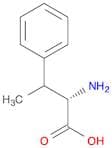
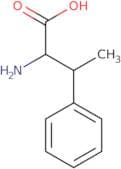
Phenylalanine, b-methyl- (CAS 2260-12-0) is an amino acid derivative characterized by the presence of a phenyl group attached to the alpha carbon of the amino acid backbone, along with a methyl group at the beta position. This compound is a non-polar, hydrophobic amino acid, which influences its solubility and interactions in biological systems. It is structurally similar to phenylalanine, with the addition of the methyl group, which can affect its metabolic pathways and biological functions. Phenylalanine itself is essential for protein synthesis and serves as a precursor for neurotransmitters such as dopamine, norepinephrine, and epinephrine. The presence of the methyl group in this derivative may alter its reactivity and interactions with enzymes and receptors compared to its parent compound. Additionally, the compound may exhibit specific optical activity due to the presence of chiral centers, making it relevant in studies of stereochemistry and pharmacology. Overall, phenylalanine, b-methyl- is of interest in biochemical research and potential applications in pharmaceuticals and nutrition.
Formula:C10H13NO2
Synonyms:- Hydrocinnamicacid, a-amino-b-methyl- (6CI,7CI,8CI)
- 2-Amino-3-phenylbutanoic acid
- DL-2-Amino-3-phenylbutanoic acid
- Nsc 518100
- a-Amino-b-phenylbutyric acid
- b-Methyl-DL-phenylalanine
- b-Methylphenylalanine
- b-Phenyl-a-aminobutyric acid
Sort by
Purity (%)
0
100
|
0
|
50
|
90
|
95
|
100
Found 2 products.
2-Amino-3-phenylbutanoic acid
CAS:2-Amino-3-phenylbutanoic acid is a cyclic peptide that binds to DPP4 receptors. It has been shown to inhibit the binding of DPP4 to dipeptidyl peptidase IV, thereby preventing the breakdown of endogenous peptides, such as glucagon and GLP-1, which are involved in regulation of blood sugar. This drug has biological properties and can be used as a potential experimental model for diabetes mellitus type 2. The synthesis of this compound is an asymmetric synthesis that involves two transfer reactions and an acid analysis. The chromatographic analysis is used to identify the product by comparing retention times with known standards.Formula:C10H13NO2Purity:Min. 95%Molecular weight:179.22 g/mol