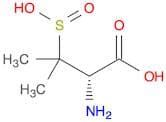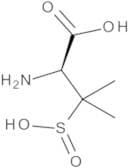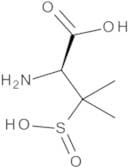
CAS 23315-18-6
:D-Valine, 3-sulfino-
Description:
D-Valine, 3-sulfino- (CAS 23315-18-6) is an amino acid derivative characterized by the presence of a sulfinic acid group attached to the valine structure. As a chiral molecule, it exists in two enantiomeric forms, with D-Valine being one of them. This compound is typically a white crystalline solid and is soluble in water due to its polar functional groups. The sulfinic acid moiety contributes to its unique reactivity and potential biological activity, making it of interest in various biochemical applications. D-Valine, 3-sulfino- may play a role in metabolic pathways and could be involved in the synthesis of other biologically relevant molecules. Its structural features allow it to participate in hydrogen bonding and other interactions, influencing its behavior in biological systems. As with many amino acids and their derivatives, it is important to consider its stability, reactivity, and potential applications in pharmaceuticals or as a biochemical reagent.
Formula:C5H11NO4S
Sort by
Purity (%)
0
100
|
0
|
50
|
90
|
95
|
100
Found 7 products.
Sulbactam Related Compound A ((2S)-2-Amino-3-methyl-3-sulfinobutanoic acid)
CAS:Organo-sulfur compounds, nesoiFormula:C5H11NO4SColor and Shape:White PowderMolecular weight:181.04088Sulbactam EP Impurity A (Sulbactam USP Related Compound A)
CAS:Formula:C5H11NO4SColor and Shape:White To Off-White SolidMolecular weight:181.213-Sulfino-D-valine
CAS:Controlled ProductImpurity Sulbactam EP Impurity A
Applications 3-Sulfino-D-valine (Sulbactam EP Impurity A) act as an effective scavengers of HOCl and has therapeutic effect which may be due to the protection of tissues against the reactive HOCl released by activated granulocytes at inflammation sites.
References Cuperus, R. A.; Biochim. Biophys. Acta, Protein Struct. Mol. Enzymol., 749, 18-23 (1983)Formula:C5H11NO4SColor and Shape:White SolidMolecular weight:181.21Sulbactam Related Compound A
CAS:Sulbactam Related Compound A is a chemical compound often used in pharmaceutical research and development. It is typically derived from the synthetic modification of existing antibiotics to explore new potential therapeutic benefits. The compound functions as a beta-lactamase inhibitor, which is of significant interest to researchers due to its potential to enhance the efficacy of beta-lactam antibiotics. By inhibiting the action of bacterial beta-lactamase enzymes, it permits these antibiotics to remain effective against resistant strains of bacteria.Formula:C5H11NO4SPurity:Min. 95%Molecular weight:181.21 g/mol