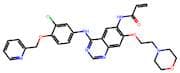
CAS 2414572-47-5
:BDTX-189
Description:
BDTX-189, identified by its CAS number 2414572-47-5, is a chemical compound that has garnered attention in the field of medicinal chemistry, particularly for its potential therapeutic applications. While specific characteristics such as molecular weight, structure, and solubility may vary, compounds in this category typically exhibit properties that make them suitable for biological activity. BDTX-189 is often studied for its role in targeting specific biological pathways, which may include interactions with proteins or enzymes relevant to disease processes. Its efficacy and safety profile are usually evaluated through preclinical and clinical studies, focusing on its pharmacokinetics, pharmacodynamics, and potential side effects. As with many investigational compounds, detailed information about BDTX-189 may be limited, and ongoing research is essential to fully understand its characteristics and applications in medicine. Always refer to the latest scientific literature for the most current data regarding its properties and uses.
Formula:C29H29ClN6O4
Synonyms:- 2-Propenamide, N-[4-[[3-chloro-4-(2-pyridinylmethoxy)phenyl]amino]-7-[2-(4-morpholinyl)ethoxy]-6-quinazolinyl]-
- BDTX-189
Sort by
Purity (%)
0
100
|
0
|
50
|
90
|
95
|
100
Found 3 products.
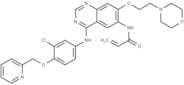
Tuxobertinib
CAS:Tuxobertinib (BDTX-189) is a potent and selective inhibitor of allosteric EGFR and HER2 oncogenic mutations. BDTX-189 exhibits anticancer activity.Formula:C29H29ClN6O4Purity:99.22%Color and Shape:SolidMolecular weight:561.03Ref: TM-T9072
2mg38.00€5mg57.00€10mg90.00€25mg178.00€50mg334.00€100mg497.00€200mg712.00€1mL*10mM (DMSO)71.00€BDTX-189
CAS:BDTX-189 is a peptide inhibitor of the protein interactions of the β-secretase enzyme that is involved in the processing of amyloid precursor protein (APP) to form amyloid beta (Aβ). It has been shown to be an activator of the Ligand-gated ion channel and a ligand for the nicotinic acetylcholine receptor. BDTX-189 is also used as a research tool in cell biology and biochemistry to study Protein interactions, activation, and inhibition.
Formula:C29H29ClN6O4Purity:Min. 95%Molecular weight:561 g/molRef: 3D-PWD57247
Discontinued product