CAS 24878-25-9
:2,2'-oxydianiline
Description:
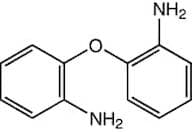
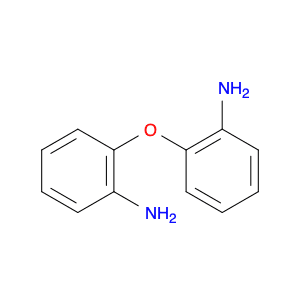
2,2'-Oxydianiline, also known as 4,4'-diaminodiphenyl ether, is an organic compound characterized by its structure, which features two aniline groups connected by an ether linkage. This compound is typically a solid at room temperature and is known for its high melting point and stability. It is soluble in organic solvents but has limited solubility in water. 2,2'-Oxydianiline is primarily used in the production of polyimides and other high-performance polymers due to its excellent thermal stability and mechanical properties. Additionally, it serves as a curing agent in epoxy resins and is utilized in the synthesis of dyes and pigments. However, it is important to note that 2,2'-oxydianiline may pose health risks, as it can be a skin and respiratory irritant and has potential carcinogenic properties. Therefore, appropriate safety measures should be taken when handling this chemical in industrial or laboratory settings.
Formula:C12H12N2O
InChI:InChI=1/C12H12N2O/c13-9-5-1-3-7-11(9)15-12-8-4-2-6-10(12)14/h1-8H,13-14H2
SMILES:c1ccc(c(c1)N)Oc1ccccc1N
Synonyms:- 2,2'-Oxydlaniline
Sort by
Purity (%)
0
100
|
0
|
50
|
90
|
95
|
100
Found 5 products.
Bis(2-aminophenyl) ether, 98%
CAS:It is catalytic reagent and used in pharmaceutical industry. This Thermo Scientific Chemicals brand product was originally part of the Alfa Aesar product portfolio. Some documentation and label information may refer to the legacy brand. The original Alfa Aesar product / item code or SKU reference h
Formula:C12H12N2OPurity:98%Color and Shape:Powder, White to brownMolecular weight:200.24Benzenamine, 2,2'-oxybis-
CAS:Formula:C12H12N2OPurity:98%Color and Shape:SolidMolecular weight:200.23652,2'-Oxydianiline
CAS:2,2'-Oxydianiline is a diazonium salt that has been used as a pharmaceutical intermediate for the synthesis of other drugs. It is also used in the manufacture of dyes and pigments. 2,2'-Oxydianiline is an electron-deficient molecule which can react with aromatic residues. The aromatic residue reacts with the electron-deficient molecule to form a covalent bond between them. This process is called electrophilic aromatic substitution reaction. This reaction rate depends on the concentration of the reactants and their relative rates of diffusion (the rate of movement of molecules from high concentrations to low concentrations). 2,2'-Oxydianiline has been shown to have an effect on viscosity by binding to cholesterol in lipoproteins and increasing its solubility in water.Formula:C12H12N2OPurity:Min. 98 Area-%Color and Shape:PowderMolecular weight:200.24 g/mol