CAS 2492-75-3
:2-Oxohexanoic acid
Description:
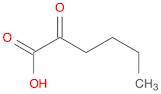
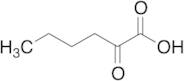
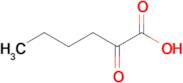
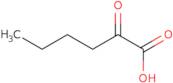
2-Oxohexanoic acid, also known as 6-oxohexanoic acid, is a carboxylic acid characterized by the presence of both a ketone and a carboxyl functional group within its molecular structure. It features a six-carbon chain with a ketone group located at the second carbon and a carboxylic acid group at the terminal carbon. This compound is typically a colorless to pale yellow liquid or solid, depending on its state and purity. It is soluble in water and organic solvents, making it versatile for various applications in organic synthesis and chemical research. 2-Oxohexanoic acid can participate in various chemical reactions, including esterification and condensation, and is often used as an intermediate in the synthesis of pharmaceuticals, agrochemicals, and other organic compounds. Additionally, it may exhibit biological activity, which can be of interest in medicinal chemistry. Safety data should be consulted for handling, as it may pose health hazards if ingested or inhaled.
Formula:C6H10O3
InChI:InChI=1S/C6H10O3/c1-2-3-4-5(7)6(8)9/h2-4H2,1H3,(H,8,9)
InChI key:InChIKey=XNIHZNNZJHYHLC-UHFFFAOYSA-N
SMILES:C(C(O)=O)(CCCC)=O
Synonyms:- 2-Ketocaproic Acid
- 2-Ketohexanoic acid
- 2-Oxocaproic acid
- Alpha-Ketocaproic Acid
- Hexanoic Acid, 2-Oxo-
- α-Ketocaproic acid
- α-Ketohexanoic acid
- α-Oxo-n-caproic acid
- α-Oxocaproic acid
- 2-Oxohexanoic acid
- 2-Oxohexanoic acid
Filter by
Purity percentage
0
100
|
0
|
50
|
90
|
95
|
100
Found 6 products.
- Lower prices
- Higher prices
- Lower purities
- Higher purities
- Faster estimated delivery
2-Oxohexanoic Acid
CAS:Controlled ProductApplications 2-Oxohexanoic Acid (cas# 2492-75-3) has been useful in a biological study that investigated the impact of glutathione on wines oxidative stability.
References Nikolantonaki, M., et al.: Front. Chem. (Lausanne, Switzerland), 6, 182 (2018)Formula:C6H10O3Color and Shape:NeatMolecular weight:130.142-Oxohexanoic acid
CAS:2-Oxohexanoic acid (2-OHBA) is a fatty acid that is synthesized from the amino acids lysine and methionine. It is involved in mitochondrial metabolism and has been found to be necessary for spermatozoa motility. 2-OHBA has been shown to inhibit the activity of glutamate dehydrogenase, an enzyme that catalyzes the conversion of glutamate to α-ketoglutarate, which is required for energy production. This inhibition leads to a decrease in ATP levels, which may cause a variety of symptoms, including fatigue and weight loss. Furthermore, 2-OHBA inhibits protein synthesis by blocking the incorporation of amino acids into proteins. The inhibition of this process can lead to high ammonia levels in the blood and accumulation of other nitrogenous wastes in tissues such as liver or muscle tissue. Analysis of urine samples has shown that 2-OHBA is excreted unchanged in urine.Formula:C6H10O3Purity:Min. 95%Molecular weight:130.14 g/mol