CAS 253-50-9
:2,6-Naphthyridine
Description:
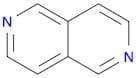
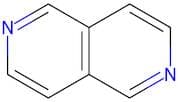
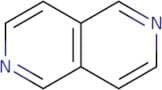
2,6-Naphthyridine is a heterocyclic aromatic compound characterized by a bicyclic structure that consists of a pyridine ring fused to a naphthalene system. It features a nitrogen atom at the 2 and 6 positions of the naphthalene framework, which contributes to its unique chemical properties. This compound is typically a colorless to pale yellow liquid or solid, depending on its form, and is known for its relatively high stability due to the aromatic nature of its rings. 2,6-Naphthyridine exhibits basic properties, making it capable of forming salts with acids. It is soluble in organic solvents such as ethanol and ether but has limited solubility in water. This compound is of interest in various fields, including medicinal chemistry, where it serves as a building block for the synthesis of pharmaceuticals and agrochemicals. Additionally, its derivatives may exhibit biological activity, making it a subject of research in drug development. Safety precautions should be taken when handling this substance, as it may pose health risks if ingested or inhaled.
Formula:C8H6N2
InChI:InChI=1S/C8H6N2/c1-3-9-6-8-2-4-10-5-7(1)8/h1-6H
InChI key:InChIKey=SSNMISUJOQAFRR-UHFFFAOYSA-N
SMILES:C12=C(C=CN=C1)C=NC=C2
Synonyms:- 2,6-Diazanaphthalene
- 2,6-Naphthyridine
- See more synonyms
Sort by
Purity (%)
0
100
|
0
|
50
|
90
|
95
|
100
Found 4 products.
2,6-Naphthyridine(7CI,8CI,9CI)
CAS:Formula:C8H6N2Purity:97%Color and Shape:SolidMolecular weight:130.14662,6-Naphthyridine
CAS:<p>2,6-Naphthyridine is a small molecule that binds to the response elements in the promoter region of genes and alters gene expression. This compound has been shown to affect the brain cells and may be useful for treating brain diseases such as Parkinson's disease. 2,6-Naphthyridine has also been shown to have vibrational properties that can be used in spectroscopy. The compound has been shown to cause cardiac hypertrophy in rats when given at high doses. 2,6-Naphthyridine is a competitive inhibitor of ferroptosis protein binding and inhibits human proteins. It also inhibits the synthesis of naphthalene, which is known for its carcinogenic potential. 2,6-Naphthyridine has been shown to have sublethal effects on organisms such as yeast and nematodes; however, it was not toxic to mice or rats at low doses.</p>Formula:C8H6N2Purity:Min. 95%Molecular weight:130.15 g/mol