CAS 25320-93-8
:a-D-Glucopyranoside, butyl
Description:
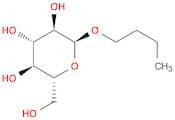
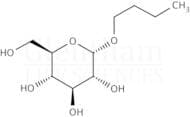
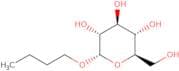
α-D-Glucopyranoside, butyl, also known as butyl α-D-glucopyranoside, is a glycoside derived from glucose. It features a butyl group attached to the anomeric carbon of the glucose molecule, which influences its solubility and reactivity. This compound is typically a white to off-white solid and is soluble in water and organic solvents, making it useful in various applications, including as a surfactant and in biochemical research. Its structure consists of a six-membered pyranose ring, characteristic of glucose, with the butyl group providing hydrophobic properties. The presence of the hydroxyl groups in the glucopyranoside structure contributes to its ability to form hydrogen bonds, enhancing its solubility in polar solvents. Additionally, α-D-glucopyranoside derivatives are often utilized in the synthesis of more complex carbohydrates and can serve as substrates in enzymatic reactions. Safety data should be consulted for handling, as with any chemical substance, to ensure proper precautions are taken during use.
Formula:C10H20O6
Synonyms:- Glucopyranoside,butyl, a-D- (8CI)
- Butyl a-D-glucopyranoside
- Butyl-alpha-D-glucopyranoside
Sort by
Purity (%)
0
100
|
0
|
50
|
90
|
95
|
100
Found 3 products.
Butyl α-D-glucopyranoside
CAS:Butyl a-D-glucopyranoside is an antimicrobial agent that inhibits the growth of photosynthetic organisms. It has been shown to have high cytotoxicity against Gram-positive bacteria, including Enterobacter and Bacillus. Butyl a-D-glucopyranoside also exhibits strong antimicrobial activity against Gram-negative bacteria such as Escherichia coli, Salmonella enterica, Klebsiella pneumoniae, and Pseudomonas aeruginosa. This compound also has potent activity against fungi and yeast. The mechanism of action is not known but may involve the inhibition of tyrosol synthesis or the disruption of microbial membranes.
Formula:C10H20O6Purity:Min. 95%Color and Shape:PowderMolecular weight:236.26 g/mol