CAS 25322-68-3
:Polyethylene glycol
Description:
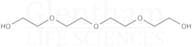
Polyethylene glycol (PEG), with the CAS number 25322-68-3, is a versatile polymer known for its hydrophilic properties and biocompatibility. It is composed of repeating units of ethylene oxide, resulting in a structure that can vary in molecular weight, which influences its physical and chemical characteristics. PEG is typically a colorless, odorless, and viscous liquid or a waxy solid, depending on its molecular weight. It is soluble in water and many organic solvents, making it useful in a wide range of applications, including pharmaceuticals, cosmetics, and food products. PEG serves as a lubricant, humectant, and emulsifier, and is often used in drug formulations to enhance solubility and bioavailability. Additionally, its non-toxic nature and ability to form hydrogels make it valuable in biomedical applications, such as drug delivery systems and tissue engineering. However, the specific properties of PEG can vary significantly with its molecular weight and formulation, which must be considered when selecting it for particular applications.
Formula:(C2H4O)nH2O
InChI:InChI=1S/C2H6O2/c3-1-2-4/h3-4H,1-2H2
InChI key:InChIKey=LYCAIKOWRPUZTN-UHFFFAOYSA-N
SMILES:C(CO[H])O
Synonyms:- 1660O
- 1660S
- 3,6,9,12,15,18,21,24,27,30,33,36,39-Tridecaoxahentetracontane-1,41-diol
- 400Dab8
- Alkox
- Aquaffin
- Badimol
- Carbowachs
- Carbowax
- Colonsoft
- Db-Wax
- Duraseal
- FPR
- Forlax
- GlycoLax
- IW
- Isocolan
- KleanPrep
- Macrogol
- MiraLax
- Modopeg
- Muvinlax
- Nosilen
- Nycoline
- OEG
- PEB
- PEG
- PEG-(OH)<sub>2</sub>
- PEG-diol
- PEO
- PER
- Pegorion
- Peo-Pf
- Peo-Pfz
- Peo-Pfzr
- Peopo-A
- Polikol
- Poly(Oxy-1,2-Ethanediyl),A-Hydro-W-Hydroxy
- Poly(oxy-1,2-ethanediyl)
- Polyaethylenglykol
- Polyethox
- Polyethyleneglycol
- Polyetox
- Polygol
- Polyhydroxyethylene
- Polyosm
- Polyox
- Polyoxydin
- Polyoxyethylenediol
- Postonal
- Sed-Fix
- Slovapeg
- Solbase
- SpaceOAR
- Superox
- Ucarfloc
- α-Hydro-ω-hydroxypoly(oxy-1,2-ethanediyl)
- α-Hydro-ω-hydroxypoly(oxyethylene)
- PEG 6000
- Polyethylene glycol
- Polyethylene Glycol
- PEG 6000, MB Grade (1.12033)
- Poly(oxy-1,2-ethanediyl), α-hydro-ω-hydroxy-
- PEG 200
- Poly(ethylene oxide)
- Poly(ethylene glycol)
- Polyethyleneoxidemonomethacryloxymonotrimethylsiloxyterminated
- Poly ethylene glycol
- O-Methacryloxy(polyethyleneoxy)trimethylsilane
- poly(oxyethylene)
- Polyethylene glygcol
- PEG 200-8000
- Polyethylene glycol
- Ethylene oxide, homopolymer
- Polyethylene Glycol 5000000
- PolyethyleneoxideMW
- Aquacide III
- Polyethylene glycol series
- Tri-(2,3-Dibromopropyl) Phosphate
- Glycols, polyethylene
- Polyethylene glycol PEG
- Polyethylene glycol - 6000 grade
- Carmowax
- PEG 8000
- PEG 1000
- Ethylene glycol 8000 polymer
- PEG-400
- polyethylene oxide standard 511000
- Oxide Wax AN
- PEG 400
- Polyethylene Oxide
- PEG 600
- See more synonyms
Sort by
Purity (%)
0
100
|
0
|
50
|
90
|
95
|
100
Polyethylene glycol 4000
CAS:Formula:CH2CH2OnColor and Shape:White powder, crystals or flakesMolecular weight:3,600 - 4,400Polyethylene glycol 300, BP, Ph. Eur., USP/NF grade
CAS:Formula:CH2CH2OnColor and Shape:Clear, viscous, colourless or almost colourless hygroscopic liquidMolecular weight:~300Polyethylene Glycol 6000, Flakes, Ultrapure
CAS:<p>Polyethylene Glycol 6000, Flakes, Ultrapure</p>Purity:≥95%Polyethylene glycol 1000
CAS:Formula:CH2CH2OnColor and Shape:White fused or waxy solidMolecular weight:~1,000Polyethylene glycol 8000, BP, Ph. Eur., USP/NF grade
CAS:Formula:CH2CH2OnColor and Shape:White or almost white solid with a waxy appearanceMolecular weight:~8,000Polyethylene Glycol 8000 BioChemica
CAS:<p>Polyethylene Glycol 8000 BioChemica</p>Color and Shape:White SolidPoly(ethylene Glycol) ~600
CAS:Controlled Product<p>Applications Poly(ethylene Glycol) molecules of an average molecular mass of 600. Poly(ethylene Glycol) is used in various applications from industrial chemistry to biological chemistry. Recent research has shown PEG maintains the ability to aid the spinal cord injury recovery process, helping the nerve impulse conduction process in animals. In rats, it has been shown to aid in the repair of severed sciatic axons, helping with nerve damage recovery. It is industrially produced as a lubricating substance for various surfaces to reduce friction. PEG is also used in the preparation of vesicle transport systems in with application towards diagnostic procedures or drug delivery methods.<br>References Borgens, R. et al.: J. Neurosci. Res., 66, 1179 (2001); Stavisky, R. et al.: Neurosci. Lett., 376, 98 (2005); Nalam, P. et al.: Tribiol. Lett., 37, 541 (2010); Steinmetz, N. et al.: J. Am. Chem. Soc., 131, 17093 (2009); Li, X. et al.: J. Am. Chem. Soc., 133, 11147 (2011); Li, L. et al.: Int. J. Pharm., 447, 192 (2013);<br></p>Formula:H2O(C2H4O)nColor and Shape:Colourless To Off-WhiteMolecular weight:62.07Poly(ethylene Glycol) ~1000
CAS:Controlled Product<p>Applications Poly(ethylene Glycol) molecules of an average molecular mass of 1000. Poly(ethylene Glycol) is used in various applications from industrial chemistry to biological chemistry. Recent research has shown PEG maintains the ability to aid the spinal cord injury recovery process, helping the nerve impulse conduction process in animals. In rats, it has been shown to aid in the repair of severed sciatic axons, helping with nerve damage recovery. It is industrially produced as a lubricating substance for various surfaces to reduce friction. PEG is also used in the preparation of vesicle transport systems in with application towards diagnostic procedures or drug delivery methods.<br>References Borgens, R. et al.: J. Neurosci. Res., 66, 1179 (2001); Stavisky, R. et al.: Neurosci. Lett., 376, 98 (2005); Nalam, P. et al.: Tribiol. Lett., 37, 541 (2010); Steinmetz, N. et al.: J. Am. Chem. Soc., 131, 17093 (2009); Li, X. et al.: J. Am. Chem. Soc., 133, 11147 (2011); Li, L. et al.: Int. J. Pharm., 447, 192 (2013);<br></p>Formula:H2O(C2H4O)nColor and Shape:White To Off-WhiteMolecular weight:62.07Poly(ethylene Glycol) ~4000
CAS:Controlled ProductFormula:H2O(C2H4O)nColor and Shape:White To Off-WhiteMolecular weight:62.07Poly(ethylene Glycol) ~6000
CAS:Controlled Product<p>Applications Poly(ethylene Glycol) molecules of an average molecular mass of 6000. Poly(ethylene Glycol) is used in various applications from industrial chemistry to biological chemistry. Recent research has shown PEG maintains the ability to aid the spinal cord injury recovery process, helping the nerve impulse conduction process in animals. In rats, it has been shown to aid in the repair of severed sciatic axons, helping with nerve damage recovery. It is industrially produced as a lubricating substance for various surfaces to reduce friction. PEG is also used in the preparation of vesicle transport systems in with application towards diagnostic procedures or drug delivery methods.<br>References Borgens, R. et al.: J. Neurosci. Res., 66, 1179 (2001); Stavisky, R. et al.: Neurosci. Lett., 376, 98 (2005); Nalam, P. et al.: Tribiol. Lett., 37, 541 (2010); Steinmetz, N. et al.: J. Am. Chem. Soc., 131, 17093 (2009); Li, X. et al.: J. Am. Chem. Soc., 133, 11147 (2011); Li, L. et al.: Int. J. Pharm., 447, 192 (2013)<br></p>Formula:H2O(C2H4O)nColor and Shape:White To Off-WhiteMolecular weight:62.07Poly(ethylene Glycol) ~20000
CAS:Controlled Product<p>Stability Hygroscopic<br>Applications Poly(ethylene Glycol) molecules of an average molecular mass of 20000. Poly(ethylene Glycol) is used in various applications from industrial chemistry to biological chemistry. Recent research has shown PEG maintains the ability to aid the spinal cord injury recovery process, helping the nerve impulse conduction process in animals. In rats, it has been shown to aid in the repair of severed sciatic axons, helping with nerve damage recovery. It is industrially produced as a lubricating substance for various surfaces to reduce friction. PEG is also used in the preparation of vesicle transport systems in with application towards diagnostic procedures or drug delivery methods.<br>References Borgens, R. et al.: J. Neurosci. Res., 66, 1179 (2001); Stavisky, R. et al.: Neurosci. Lett., 376, 98 (2005); Nalam, P. et al.: Tribiol. Lett., 37, 541 (2010); Steinmetz, N. et al.: J. Am. Chem. Soc., 131, 17093 (2009); Li, X. et al.: J. Am. Chem. Soc., 133, 11147 (2011); Li, L. et al.: Int. J. Pharm., 447, 192 (2013);<br></p>Formula:H2O(C2H4O)nColor and Shape:Off-WhiteMolecular weight:62.07Kollisolv PEG 300
CAS:Controlled Product<p>Applications Kollisolv PEG 300 is used as a thickening agent and gel binder in the pharmaceutical industry.<br></p>Formula:H2O(C2H4O)nColor and Shape:ColourlessMolecular weight:62.07Poly(ethylene Glycol) ~400
CAS:<p>Applications Poly(ethylene Glycol) ~400 is a polymer of ethylene oxide with a molecular weight of ~400 Daltons. Poly(ethylene Glycol) ~400 is considered a low molecular weight polyethylene glycol, and is used as a hydrophilic molecular probe for measuring intestinal permeability. Poly(ethylene Glycol) ~400 is also used as a hydrophilic plasticizer.<br>References Lu, E., et al.: J. Control. Release, 92, 375 (2003); Ma, T., et al.: Gastroenterology, 98, 39 (1990)<br></p>Formula:H2O(C2H4O)nColor and Shape:ColourlessMolecular weight:62.07Poly(ethylene Glycol) ~2000
CAS:<p>Applications Poly(ethylene Glycol) molecules of an average molecular mass of 2000. Poly(ethylene Glycol) is used in various applications from industrial chemistry to biological chemistry. Recent research has shown PEG maintains the ability to aid the spinal cord injury recovery process, helping the nerve impulse conduction process in animals. In rats, it has been shown to aid in the repair of severed sciatic axons, helping with nerve damage recovery. It is industrially produced as a lubricating substance for various surfaces to reduce friction. PEG is also used in the preparation of vesicle transport systems in with application towards diagnostic procedures or drug delivery methods.<br>References Borgens, R. et al.: J. Neurosci. Res., 66, 1179 (2001); Stavisky, R. et al.: Neurosci. Lett., 376, 98 (2005); Nalam, P. et al.: Tribiol. Lett., 37, 541 (2010); Steinmetz, N. et al.: J. Am. Chem. Soc., 131, 17093 (2009); Li, X. et al.: J. Am. Chem. Soc., 133, 11147 (2011); Li, L. et al.: Int. J. Pharm., 447, 192 (2013);<br></p>Formula:H2O(C2H4O)nColor and Shape:White To Off-WhiteMolecular weight:62.07