CAS 2562-37-0
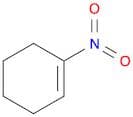
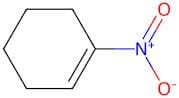
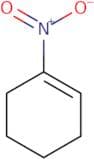
:1-Nitrocyclohexene
Description:
1-Nitrocyclohexene is an organic compound characterized by the presence of a nitro group (-NO2) attached to a cyclohexene ring, which is a six-membered carbon ring containing one double bond. This compound is typically a colorless to pale yellow liquid with a distinctive odor. It is known for its reactivity due to the presence of the double bond and the electron-withdrawing nature of the nitro group, which can influence its chemical behavior in various reactions, such as electrophilic substitutions and reductions. 1-Nitrocyclohexene is soluble in organic solvents but has limited solubility in water. It is important to handle this compound with care, as it may pose health risks if inhaled or ingested, and it can be hazardous in terms of flammability and reactivity. In synthetic organic chemistry, it can serve as an intermediate for the preparation of other chemical compounds, making it valuable in research and industrial applications. Proper safety measures should be observed when working with this substance.
Formula:C6H9NO2
InChI:InChI=1S/C6H9NO2/c8-7(9)6-4-2-1-3-5-6/h4H,1-3,5H2
InChI key:InChIKey=DJBRXNRKYAWTBL-UHFFFAOYSA-N
SMILES:N(=O)(=O)C=1CCCCC1
Synonyms:- 1-Nitrocyclohexene
- Cyclohexene, 1-nitro-
- 1-Nitrocyclohex-1-ene
Sort by
Purity (%)
0
100
|
0
|
50
|
90
|
95
|
100
Found 3 products.
1-Nitro-Cyclohexene
CAS:1-Nitro-cyclohexene is an aromatic compound that reacts with nitric oxide to form a nitroso. 1-Nitro-cyclohexene has been shown to be a reactive intermediate in the Covid-19 pandemic, catalyzing the formation of covidimycin from dimethoxymethylpenicillin. 1-Nitro-cyclohexene also has been found to react with hydrogen peroxide and flavin mononucleotide to form hydroxyl radicals, which are highly reactive chemical species capable of damaging DNA and other cellular components. The toxicity of 1-nitrocyclohexene is related to its ability to form nitrosamines and nitrophenols, which are both carcinogenic. 1-Nitro-cyclohexene can also react with protonated amines or amides to form imines or imides, which are chemically stable species that can persist in the environment.Formula:C6H9NO2Purity:Min. 95%Molecular weight:127.14 g/mol