CAS 26798-33-4
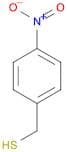
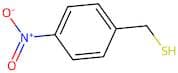
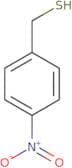
:(4-nitrophenyl)methanethiol
Description:
(4-Nitrophenyl)methanethiol, with the CAS number 26798-33-4, is an organic compound characterized by the presence of a thiol group (-SH) attached to a methylene (-CH2-) bridge that connects to a para-nitrophenyl group. This compound typically appears as a yellow solid due to the nitro group, which is known for its electron-withdrawing properties, influencing the compound's reactivity and stability. The thiol group imparts characteristic properties such as the ability to form disulfide bonds and participate in nucleophilic reactions. (4-Nitrophenyl)methanethiol is often utilized in organic synthesis, particularly in the development of pharmaceuticals and agrochemicals, due to its functional groups that can engage in various chemical transformations. Additionally, its solubility in organic solvents and moderate stability under standard conditions make it a useful intermediate in chemical reactions. Safety precautions should be observed when handling this compound, as it may pose health risks typical of thiols and nitro compounds, including potential toxicity and environmental hazards.
Formula:C7H7NO2S
InChI:InChI=1/C7H7NO2S/c9-8(10)7-3-1-6(5-11)2-4-7/h1-4,11H,5H2
Synonyms:- (4-Nitrophenyl)methanethiol
- benzenemethanethiol, 4-nitro-
- 4-nitrobenzyl mercaptan
- (4-Nitrobenzyl)mercaptan 95%
- 4-Nitrobenzyl thiol
Sort by
Purity (%)
0
100
|
0
|
50
|
90
|
95
|
100
Found 4 products.
Benzenemethanethiol,4-nitro-
CAS:Formula:C7H7NO2SPurity:96%Color and Shape:SolidMolecular weight:169.2010(4-Nitrophenyl)methanethiol
CAS:4-Nitrophenylmethanethiol is a reactive molecule that reacts with dopamine D3, an important cytosolic protein, to form a stable covalent bond. This reaction was shown to be pH-dependent and the products were identified by x-ray diffraction data. The disulfide bond formed by this reaction is then reduced to the corresponding sulfhydryl group with sodium borohydride or hydroxide solution. 4-Nitrophenylmethanethiol also reacts with inorganic acid and sodium carbonate to form a molecule containing carbapenem, which is a model protein used in research on chemical reactions. 4-Nitrophenylmethanethiol reacts with chloride ions and phenyl groups to yield hydrochloric acid as the final product of the chemical reaction.Formula:C7H7NO2SPurity:Min. 95%Molecular weight:169.2 g/mol