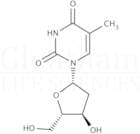
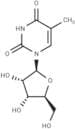
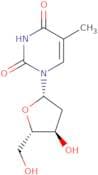
CAS 26879-47-0
:L-Thymidine
- 1-beta-L-Ribofuranosylthymine
- 5-Methyl-1-beta-L-ribofuranosyl-2,4(1H,3H)-pyrimidinedione
- L-Thymidine
- 2,4(1H,3H)-PyriMidinedione, 5-Methyl-1-b-L-ribofuranosyl-
- L-5-Me-rU
- Telbivudine Impurity 14
L-5-Methyluridine
CAS:L-5-Methyluridine, an L-configuration of 5-Methyluridine, is an endogenous methylated nucleoside present in human fluids.Formula:C10H14N2O6Color and Shape:SolidMolecular weight:258.235-Methyl-L-uridine
CAS:5-Methyl-L-uridine is an antiviral drug which belongs to a class of compounds called nucleoside analogues. It is used in the treatment of chronic hepatitis B and C, as well as for prevention of hepatitis A and B. 5-Methyl-L-uridine inhibits the virus by turning off the production of viral DNA and RNA, through interactions with the virus's polymerase chain reaction process. This drug also prevents protein synthesis in cells infected with viruses such as HIV, herpes simplex virus type 1, and influenza A virus. 5-Methyl-L-uridine is a prodrug that is converted to its active form, uridine monophosphate, by enzymes in the liver. The cytotoxic effects of 5-methyluridine on cancer cells have been shown to be due to inhibition of cellular DNA synthesis and repair pathways.
Formula:C10H14N2O6Purity:Min. 95%Color and Shape:White PowderMolecular weight:258.23 g/mol