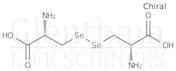
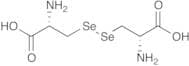
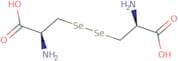
CAS 26932-45-6
:(2S,2'S)-3,3'-diselane-1,2-diylbis(2-aminopropanoic acid) (non-preferred name)
D-Selenocystine
CAS:Formula:C6H12N2O4Se2Purity:≥ 98%Color and Shape:Light-yellow to yellow powderMolecular weight:334.11D-Selenocystine
CAS:Controlled ProductApplications D-Selenocystine is a useful reagent in the preparation of firefly L-Luciferin with bioluminescence emission.
References Conley, N. et al.: Angew. Chem. Int. Ed., 51, 3350 (2012);Formula:C6H12N2O4Se2Color and Shape:NeatMolecular weight:334.091D-Selenocystine
CAS:Selenocystine is a non-protein amino acid that belongs to the group of selenoamino acids. Selenocystine is found in plants and microorganisms, where it plays a role in bacterial metabolism. Selenocystine can be synthesized by bacteria from D-glutamate, cysteine, and hydrogen sulfide. It has been shown to have synergistic effects with other compounds such as carbon sources, hydroxyl ions, and subunits. Selenocystine has been shown to inhibit the growth of certain strains of bacteria that are resistant to antibiotics such as penicillin or erythromycin. These effects are mediated through the mitochondrial membrane potential and may also be due to its ability to inhibit microbial respiration.
Formula:C6H12N2O4Se2Purity:Min. 95%Color and Shape:PowderMolecular weight:334.09 g/mol