CAS 294-62-2
:Cyclododecane
Description:
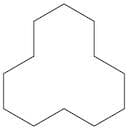
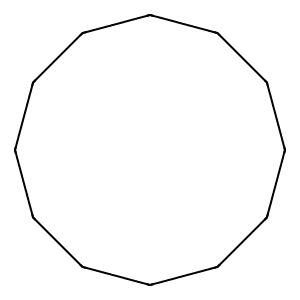
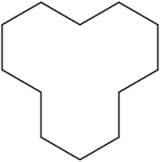
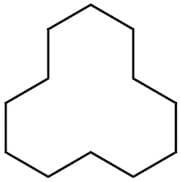
Cyclododecane is a cyclic alkane with the molecular formula C12H24, characterized by its twelve carbon atoms arranged in a ring structure. It is a colorless, waxy solid at room temperature, with a faint odor. Cyclododecane is notable for its relatively high melting point and low solubility in water, making it more soluble in organic solvents such as ethanol and ether. This compound is often used in various applications, including as a temporary adhesive in the preservation of artifacts, due to its ability to form a protective layer that can be easily removed. Additionally, cyclododecane serves as a model compound in studies of molecular interactions and is utilized in the synthesis of other chemical compounds. Its unique structure allows for interesting conformational properties, which can influence its reactivity and interactions with other molecules. Safety considerations include its flammability and potential health effects upon inhalation or skin contact, necessitating appropriate handling measures in laboratory settings.
Formula:C12H24
InChI:InChI=1S/C12H24/c1-2-4-6-8-10-12-11-9-7-5-3-1/h1-12H2
InChI key:InChIKey=DDTBPAQBQHZRDW-UHFFFAOYSA-N
SMILES:C1CCCCCCCCCCC1
Synonyms:- Cyclododecane
Sort by
Purity (%)
0
100
|
0
|
50
|
90
|
95
|
100
Found 7 products.
Cyclododecane (Cyclododecane)
CAS:Cyclanes, cyclenes and cycloterpenes, excluding cyclohexaneFormula:C12H24Color and Shape:White SolidMolecular weight:168.1878Cyclododecane
CAS:Cyclododecane is a cycloalkane that is chemically stable and can be used to prepare samples for biological analysis. It is an important precursor in the synthesis of other organic compounds with reactive functional groups, such as hydroxyls and amines. Cyclododecane is also found in some foods, including cereal grains and fatty animal products. The most common use of cyclododecane is in the preparation of monoclonal antibodies. These antibodies are used to detect specific proteins or antigens in blood or tissue samples. They also have uses in research and industrial applications such as particle size analysis, where they can be used to separate particles based on size. Cyclododecane has been shown to react with hydrochloric acid, trifluoroacetic acid, and hydroxyl group to form different products.Formula:C12H24Purity:Min. 95%Color and Shape:PowderMolecular weight:168.32 g/molCyclododecane
CAS:Formula:C12H24Purity:>99.0%(GC)Color and Shape:White to Almost white powder to crystalMolecular weight:168.32