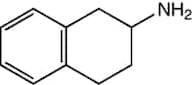
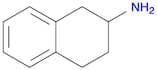
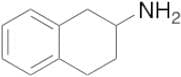
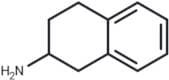
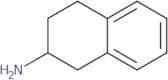
CAS 2954-50-9
:2-Aminotetralin
- (1,2,3,4-Tetrahydronaphthalen-2-yl)amine
- (RS)-2-Aminotetralin
- 1,2,3,4-Tetrahydro-2-naphthalenamine
- 2-Amino-1,2,3,4-tetrahydronaftalen
- 2-Amino-1,2,3,4-tetrahydronaftalen [Czech]
- 2-Amino-1,2,3,4-tetrahydronaphthalene
- 2-Aminotetralin
- 2-Aminotetraline
- 2-Naphthalenamine, 1,2,3,4-tetrahydro-
- 2-Naphthylamine, 1,2,3,4-tetrahydro-
- 3-Amino-1,2,3,4-tetrahydronaphthalene
- Aminotetralin
- Aminotetralin [Czech]
- Brn 1102357
- Jgc 127
- Tetrahydro-beta-naphthylamine
- Tetralin-2-amine
- beta-1,2,3,4-Tetrahydronaphthylamine
- β-1,2,3,4-Tetrahydronaphthylamine
- 1,2,3,4-Tetrahydro-2-naphthylamine
- 4-12-00-02943 (Beilstein Handbook Reference)
- 1,2,3,4-Tetrahydronaphthalene-2-amine
- 2-AT (2-AMinotetralin)
- 2-tetralinamine hydrobromide
- 1,2,3,4-Tetrahydro-naphthalen-2-ylaMine
- beta-tetrahydronaphthylamine
- 1,2,3,4-tetrahydro-2-naphthylamin
- 1,2,3,4-Tetrahydro-phthalen-2-ylamine
- 1,2,3,4-tetrahydronaphthalen-2-amine hydrobromide
- 1,2,3,4-tetrahydro-2-naphthalenamine(SALTDATA: FREE)
- tetralin-2-ylamine hydrobromide
- tetralin-2-amine hydrobromide
- 2954-50-9
- 1,2,3,4-TETRAHYDRONAPHTHALEN-2-AMINE
- See more synonyms
1,2,3,4-Tetrahydro-2-naphthylamine, 97%
CAS:This Thermo Scientific Chemicals brand product was originally part of the Alfa Aesar product portfolio. Some documentation and label information may refer to the legacy brand. The original Alfa Aesar product / item code or SKU reference has not changed as a part of the brand transition to Thermo Sci
Formula:C10H13NPurity:97%Molecular weight:147.11,2,3,4-Tetrahydronaphthalen-2-amine (>80%)
CAS:Controlled ProductApplications 1,2,3,4-tetrahydronaphthalen-2-amine (cas# 2954-50-9) is a useful research chemical.
Formula:C10H13NPurity:>80%Color and Shape:NeatMolecular weight:147.222-Aminotetralin
CAS:2-Aminotetralin acts as a neuromodulatory agent by inhibiting serotonin (5-HT) and norepinephrine reuptake in the rat brain at a dose of 39.4 mg/kg. It triggers hypothermia in rats through intracisternal or intraperitoneal injection, while the implantation of crystals in the hypothalamus' medial preoptic area leads to hyperthermia. Additionally, it mimics (+)-amphetamine in a two-lever drug discrimination test among rats in a dose-dependent manner.Formula:C10H13NColor and Shape:SolidMolecular weight:147.21691,2,3,4-Tetrahydronaphthalen-2-amine hydrobromide
CAS:Controlled Product1,2,3,4-Tetrahydronaphthalen-2-amine hydrobromide (THNA) is an amine that inhibits the enzyme tyrosine hydroxylase. This inhibition leads to a decrease in the synthesis of dopamine and norepinephrine. THNA has been shown to have inhibitory properties on locomotor activity, acid complex formation, and aminotransferases. It also exhibits receptor binding and agonist binding site activity. One study found that THNA had no effect on rat striatal tissue. The drug has been shown to be effective in metabolic disorders such as obesity.
Formula:C10H13NPurity:Min. 95%Molecular weight:147.22 g/molRef: 3D-FT133201
Discontinued product