CAS 29549-60-8
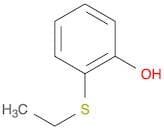
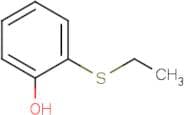
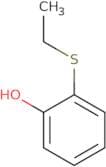
:2-(Ethylthio)phenol
Description:
2-(Ethylthio)phenol, with the CAS number 29549-60-8, is an organic compound characterized by the presence of a phenolic group substituted with an ethylthio group at the ortho position. This compound typically appears as a colorless to pale yellow liquid or solid, depending on its purity and temperature. It has a distinct odor, which is common among thiophenols due to the presence of sulfur. The compound is soluble in organic solvents but has limited solubility in water, reflecting the hydrophobic nature of the ethylthio group. 2-(Ethylthio)phenol exhibits typical phenolic properties, including acidity, and can participate in various chemical reactions such as electrophilic substitution and oxidation. It may also serve as an intermediate in organic synthesis, particularly in the production of pharmaceuticals, agrochemicals, and other specialty chemicals. Safety considerations include handling it in a well-ventilated area and using appropriate personal protective equipment, as thiophenols can be toxic and irritating to the skin and respiratory system.
Formula:C8H10OS
InChI:InChI=1/C8H10OS/c1-2-10-8-6-4-3-5-7(8)9/h3-6,9H,2H2,1H3
InChI key:InChIKey=CSJBSYKCAKKLKG-UHFFFAOYSA-N
SMILES:S(CC)C1=C(O)C=CC=C1
Synonyms:- 2-(Ethylsulfanyl)Phenol
- 2-Ethylsulfanylphenol
- Phenol, 2-(ethylthio)-
- Phenol, o-(ethylthio)-
- 2-(Ethylthio)phenol
- 2-(Ethylthio)phenol
Sort by
Purity (%)
0
100
|
0
|
50
|
90
|
95
|
100
Found 3 products.
2-(Ethylsulfanyl)phenol
CAS:2-(Ethylsulfanyl)phenol is a hyphenated chemical compound that has been shown to be toxic to cells. It is a radical that can form in the body, and it has been found to have high potential for health risks. The reaction time for 2-(Ethylsulfanyl)phenol is an average of 130 seconds, which is much faster than most other chemicals. Kinetics for this compound are also rapid, with an average rate of 10-14 μmol/L per second. 2-(Ethylsulfanyl)phenol reacts with DNA at the scission site, which generates a free radical that damages the DNA strand and breaks it down into smaller fragments. This chemical has been shown to cause DNA damage at a rate of 0.1% per hour, which can lead to cell death and cancer development.Formula:C8H10OSPurity:Min. 95%Molecular weight:154.23 g/mol