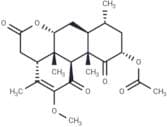
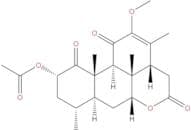
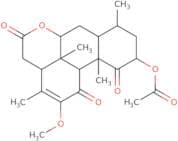
CAS 30315-04-9
:Picrasin B acetate
Description:
Picrasin B acetate, with the CAS number 30315-04-9, is a chemical compound that belongs to the class of natural products known as alkaloids. It is derived from the plant genus Picrasma, which is known for its medicinal properties. This compound typically exhibits a complex structure characterized by multiple functional groups, including acetate moieties, which contribute to its biological activity. Picrasin B acetate is recognized for its potential pharmacological effects, including anti-inflammatory and analgesic properties, making it of interest in medicinal chemistry and pharmacology. The compound's solubility and stability can vary depending on the solvent and environmental conditions, influencing its bioavailability and efficacy in biological systems. As with many natural products, further research is often necessary to fully elucidate its mechanisms of action, potential therapeutic applications, and safety profile. Overall, Picrasin B acetate represents a fascinating area of study within the realm of natural product chemistry and its applications in health sciences.
Formula:C23H30O7
Synonyms:- Picrasin B acetate
- Picras-12-ene-1,11,16-trione, 2-(acetyloxy)-12-methoxy-, (2α)- (9CI)
- (2α)-12-Methoxy-1,11,16-trioxopicras-12-en-2-ylacetate
Sort by
Purity (%)
0
100
|
0
|
50
|
90
|
95
|
100
Found 4 products.
Picras-12-ene-1,11,16-trione, 2-(acetyloxy)-12-methoxy-, (2α)- (9CI)
CAS:Formula:C23H30O7Purity:96.0%Molecular weight:418.4801Picrasin B acetate
CAS:Picrasin B acetate is a natural product for research related to life sciences. The catalog number is TN4786 and the CAS number is 30315-04-9.Formula:C23H30O7Purity:98%Color and Shape:SolidMolecular weight:418.48Picrasin B acetate
CAS:Controlled ProductPicrasin B acetate is an acetate derivative compound, which is derived from the naturally occurring quassinoids found primarily in the genus Picrasma, a member of the Simaroubaceae family. As a quassinoid derivative, its mode of action is believed to involve the inhibition of protein synthesis, particularly disrupting the function of the ribosome, which is crucial for its potential cytotoxic effects.Formula:C23H30O7Purity:Min. 95%Molecular weight:418.5 g/mol