CAS 3039-13-2
:dibromoacetaldehyde
Description:
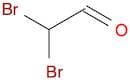
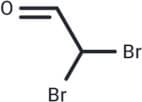
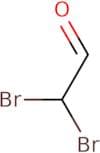
Dibromoacetaldehyde, with the CAS number 3039-13-2, is an organic compound characterized by the presence of two bromine atoms attached to an acetaldehyde structure. It is a colorless to pale yellow liquid with a pungent odor, indicative of its reactivity and potential toxicity. The compound is soluble in water and organic solvents, which facilitates its use in various chemical reactions. Dibromoacetaldehyde is known for its electrophilic properties, making it a useful intermediate in organic synthesis, particularly in the production of pharmaceuticals and agrochemicals. It can participate in nucleophilic addition reactions due to the presence of the carbonyl group, and its bromine substituents can undergo substitution reactions. However, caution is advised when handling this compound, as it may pose health risks, including irritation to the skin, eyes, and respiratory system. Proper safety measures, including the use of personal protective equipment and adequate ventilation, are essential when working with dibromoacetaldehyde in a laboratory setting.
Formula:C2H2Br2O
InChI:InChI=1/C2H2Br2O/c3-2(4)1-5/h1-2H
SMILES:C(=O)C(Br)Br
Synonyms:- Acetaldehyde, 2,2-Dibromo-
Sort by
Purity (%)
0
100
|
0
|
50
|
90
|
95
|
100
Found 4 products.
Dibromoacetaldehyde
CAS:Dibromoacetaldehyde, a halogenated byproduct found in drinking water, exhibits genotoxicity.Formula:C2H2Br2OColor and Shape:SolidMolecular weight:201.845Dibromoacetaldehyde
CAS:Dibromoacetaldehyde is an organic chemical compound that is used as a reactant in the treatment of wastewater. It reacts with the carbonyl groups present in malic acid to form a dibromomalonic ester. Dibromoacetaldehyde is also used as an intermediate for the production of other chemicals, such as ethylenethiourea and propylene oxide. This compound has been shown to inhibit lead levels in water by reacting with lead ions, forming insoluble lead bromide. Dibromoacetaldehyde also reacts with hydroxy groups and alcohols to form reaction products that are not harmful to humans.
Formula:C2H2Br2OPurity:Min. 95%Color and Shape:PowderMolecular weight:201.84 g/mol