CAS 30525-89-4
:Paraformaldehyde
- Aldacide
- Ethanol, 2-ethoxy-, polymer with formaldehyde
- Flo-Mor
- Formaldehyde, polymer with (2-methoxymethylethoxy)propanol
- Formaldehyde, polymer with 1(or 2)-methoxypropanol
- Formaldehyde, polymer with 2-ethoxyethanol
- Granuform
- Granuform 91
- Granuform 96
- Granuform M
- Paraform
- Paraformaldehyde Powder
- Propanol, (2-methoxymethylethoxy)-, polymer with formaldehyde
- Propanol, 1(or 2)-methoxy-, polymer with formaldehyde
- TransFix
- Wanpfa 92
- polyformaldehyde
- ethyl methyl ether
- See more synonyms
Paraformaldehyde, 96%
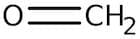
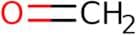
CAS:Paraformaldehyde is used as a fumigant, a disinfectant and in the manufacture of synthetic resins like melamine resin, phenol resin and polyacetal resin. It is also used in cell culture. It also serves as a fixative in electron microscopy. It is also used in the preparation of formalin fixatives forFormula:CH2OPurity:96%Color and Shape:White, Powder or granules or beadsMolecular weight:30.03Aldehydes Mixture 875 1000 µg/mL in Water
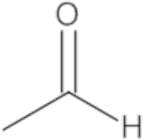
CAS:Controlled ProductFormula:C2H4OColor and Shape:MixtureMolecular weight:44.05Paraformaldehyde-13C,D2
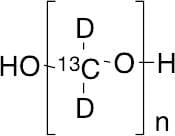
CAS:Controlled ProductApplications Paraformaldehyde-13C,D2 is an isotope labelled compound of Paraformaldehyde (P193265). Paraformaldehyde is the polymerized form of formaldehyde used in root canal sealers that provide antimicrobial activity.
Not a dangerous good if item is equal to or less than 1g/ml and there is less than 100g/ml in the package
References Gomes, B. et al.: Braz. Dent. J., 15, 30 (2004); Myers, G. et al.: Appl. Microbiol., 11, 357 (1963);Formula:CD2O)n·H2OColor and Shape:NeatParaformaldehyde
CAS:Paraformaldehyde is a carcinogenic substance that belongs to the family of heterocyclic compounds. It reacts with water vapor in the air to form formaldehyde, which is responsible for its fluorescence properties. Paraformaldehyde has been used as a probe for DNA and RNA and can be used as an indicator for nonsteroidal anti-inflammatory drugs. The reaction mechanism of paraformaldehyde is not well understood and it has been shown that it reacts with p-hydroxybenzoic acid, polymerase chain, and water vapor. This compound can be found in soybean extract or fetal bovine serum. Paraformaldehyde is usually detected using a plate test or analytical methods such as high performance liquid chromatography (HPLC).
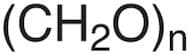
Formula:(CH2O)nPurity:90%MinColor and Shape:White Clear Liquid