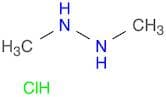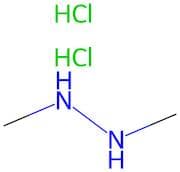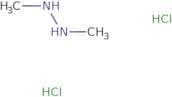
CAS 306-37-6
:Dimethylhydrazine dihydrochloride
- 1,1-Dimethylhydrazine Dihydrochloride
- 1,2-Dimethylhydrazine
- 1,2-Dimethylhydrazine dihydrochloride
- 1,2-Dimethylhydrazine hydrochloride
- 1,2-Dimethylhydrazinium dichloride
- Dimethylhydrazine dihydrochloride
- Dimethylhydrazinium dichloride
- Hydrazine, 1,2-dimethyl-, dihydrochloride
- Hydrazine, 1,2-dimethyl-, hydrochloride (1:2)
- N,N′-Dimethylhydrazine dihydrochloride
1,2-Dimethylhydrazine Dihydrochloride
CAS:Formula:C2H8N2·2HClPurity:>98.0%(T)Color and Shape:White to Almost white powder to crystalMolecular weight:133.021,2-Dimethylhydrazine diHCl
CAS:Formula:C2H10Cl2N2Purity:98%Color and Shape:SolidMolecular weight:133.02021,2-Dimethylhydrazine Dihydrochloride
CAS:1,2-Dimethylhydrazine DihydrochloridePurity:99%Molecular weight:133.02g/molN,N'-Dimethylhydrazine dihydrochloride
CAS:Controlled ProductN,N'-Dimethylhydrazine dihydrochloride (DMHD) is a nonsteroidal anti-inflammatory drug that inhibits the production of prostaglandins by blocking cyclooxygenase-2 (COX-2). It works by inhibiting tumor growth and inducing apoptosis. DMHD has been shown to inhibit angiogenesis and induce apoptosis in liver cells. DMHD also inhibits the mitochondrial membrane potential, which is important for regulating cell function. The molecular docking analysis has shown that DMHD binds to COX-2 protein with high affinity and specificity. DMHD also inhibits fatty acid synthesis, which may be due to its inhibition of mitochondrial beta-oxidation enzymes. DMHD has been shown to have toxic effects on colon cells in rats. This agent can cause damage to the colon lining through a number of mechanisms, including causing DNA damage and increasing oxidative stress.
Formula:C2H8N2Purity:Min. 95%Molecular weight:60.1 g/mol