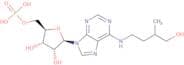
CAS 31284-94-3
:5'-Adenylic acid, N-(4-hydroxy-3-methylbutyl)-
Description:
5'-Adenylic acid, N-(4-hydroxy-3-methylbutyl)-, also known as a derivative of adenosine monophosphate (AMP), is a nucleotide that plays a crucial role in cellular metabolism and signaling. This compound features an adenosine backbone, which consists of an adenine base linked to a ribose sugar, with a phosphate group attached at the 5' position. The N-(4-hydroxy-3-methylbutyl) substituent indicates the presence of a branched alkyl chain that may influence the compound's solubility, stability, and biological activity. Typically, such modifications can enhance the compound's interaction with enzymes or receptors, potentially affecting its role in biochemical pathways. The presence of the hydroxyl group suggests that it may participate in hydrogen bonding, which can further influence its reactivity and interactions in biological systems. Overall, this compound is of interest in biochemical research, particularly in studies related to nucleotide metabolism and signaling pathways.
Formula:C15H24N5O8P
Synonyms:- DIHYDROZEATIN RIBOSIDE-5'-MONOPHOSPHATE SODIUM SALT (DHZMP)
- Dihydrozeatin riboside-5'-monophosphate sodium salt
- Dihydrozeatin ribotide
- Dihydrozeatin 9-riboside 5'-phosphate
- N-(4-Hydroxy-3-methylbutyl)-5'-adenylic acid
Sort by
Purity (%)
0
100
|
0
|
50
|
90
|
95
|
100
Found 1 products.
Dihydrozeatin riboside-5'-monophosphate sodium salt
CAS:Dihydrozeatin riboside-5'-monophosphate sodium salt is a cytokinin that belongs to the group of indole compounds. It has been shown to inhibit the biosynthesis of ethylene, which prevents fruit from ripening. Dihydrozeatin riboside-5'-monophosphate sodium salt is also able to inhibit the synthesis of adenosine, another plant hormone that inhibits growth and promotes dormancy in plants. The bioassay for this product has been done with amanita muscaria, an edible mushroom found in North America and Europe. This mushroom contains dihydrozeatin as well as other related compounds such as zeatin, which can be converted into dihydrozeatin by enzymes present in the intestines. The symptoms of poisoning by this mushroom include vomiting and diarrhea, owing to its effects on intestinal motility.Formula:C15H22N5Na2O8P·H2OPurity:Min. 95%Color and Shape:White To Off-White SolidMolecular weight:495.33 g/mol