CAS 3147-50-0
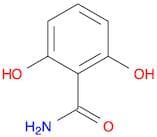
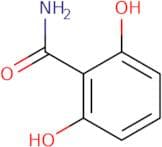
:2,6-Dihydroxybenzamide
Description:
2,6-Dihydroxybenzamide, with the CAS number 3147-50-0, is an organic compound characterized by the presence of two hydroxyl (-OH) groups and an amide functional group attached to a benzene ring. This compound features a benzene core substituted at the 2 and 6 positions with hydroxyl groups, which contribute to its solubility in polar solvents and enhance its reactivity. The amide group, located at the 1-position, imparts specific properties such as the ability to form hydrogen bonds, which can influence its interactions in biological systems and chemical reactions. 2,6-Dihydroxybenzamide is often studied for its potential applications in pharmaceuticals, agrochemicals, and as a reagent in organic synthesis. Its structural features may also provide antioxidant properties, making it of interest in various fields of research. The compound is typically handled with standard safety precautions, as with many organic chemicals, to mitigate any potential hazards associated with its use.
Formula:C7H7NO3
InChI:InChI=1S/C7H7NO3/c8-7(11)6-4(9)2-1-3-5(6)10/h1-3,9-10H,(H2,8,11)
InChI key:InChIKey=WFIWHFWPQQSJDD-UHFFFAOYSA-N
SMILES:C(N)(=O)C1=C(O)C=CC=C1O
Synonyms:- γ-Resorcylamide
- NSC 49192
- 2,6-Dihydroxybenzoic acid amide
- Benzamide, 2,6-dihydroxy-
- 2,6-Dihydroxybenzamide
Sort by
Purity (%)
0
100
|
0
|
50
|
90
|
95
|
100
Found 2 products.
2,6-Dihydroxybenzamide
CAS:2,6-Dihydroxybenzamide is a compound that belongs to the class of antibiotics. It is used in the production of supplements and has been found to be biodegradable. This antibiotic has been shown to have a viscosity of 2cP at 25°C and a pH range of 3-9. The functional groups present in this compound are carboxylic acids, amines, and flavonoid derivatives. In addition, 2,6-dihydroxybenzamide has been shown to inhibit the growth of bacteria by inhibiting amine synthesis and by reacting with chloride ions. This antibiotic also shows inhibitory effects against heterocyclic amines that are generated from cooking meat at high temperatures. 2,6-Dihydroxybenzamide is metabolized through oxidation or reduction and can be excreted unchanged in urine or as glucuronide conjugates in the bile.Formula:C7H7NO3Purity:Min. 95%Color and Shape:PowderMolecular weight:153.14 g/mol