CAS 31807-55-3
:Isododecane
Description:
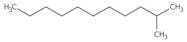
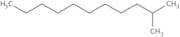
Isododecane, with the CAS number 31807-55-3, is a branched-chain alkane that belongs to the class of hydrocarbons. It is a colorless, odorless liquid at room temperature, characterized by its low viscosity and high volatility. Isododecane is primarily used as a solvent and a carrier in various applications, including cosmetics, personal care products, and industrial formulations. Its chemical structure consists of a 12-carbon chain with branching, which contributes to its unique properties, such as low surface tension and excellent spreading characteristics. Isododecane is also known for its stability and resistance to oxidation, making it suitable for use in formulations that require a long shelf life. Additionally, it has a relatively low toxicity profile, which enhances its appeal in consumer products. Its ability to dissolve a wide range of substances while remaining non-polar makes it an effective ingredient in formulations aimed at enhancing product performance and user experience.
Formula:C12H26
InChI:InChI=1/C12H26/c1-4-5-6-7-8-9-10-11-12(2)3/h12H,4-11H2,1-3H3
SMILES:CCCCCCCCCC(C)C
Synonyms:- 2-Methylundecane
- Creasil ID-CG
- Fancol ID
- Hyfrane 120
- Isododecan
- Isododecano
- Permethyl 99
- Permethyl 99A
- Purolan IDD
- Undecane, 2-methyl-
- Isododecane
Sort by
Purity (%)
0
100
|
0
|
50
|
90
|
95
|
100
Found 5 products.
Isododecane, mixture of isomers, tech. 80%
CAS:Isododecane, mixture of isomer acts as a reaction medium used for polymerization reactions. It is also useful as an emollient and solvent in skin care products due to its high spreadability, low viscosity and density. It is commonly used in anti-aging serums and also useful in many different cosmetiFormula:C12H26Purity:80%Color and Shape:Clear colorless, LiquidMolecular weight:170.342,2,4,6,6-Pentamethylheptane
CAS:2,2,4,6,6-Pentamethylheptane is a hydroxide solution that is used as a film-forming polymer for pharmaceutical preparations. It has the ability to react with ethylene diamine and form poly(oxyethylene) diamine. This reaction mechanism is an example of nucleophilic substitution and results in a nonpolar solvent such as butanol. 2,2,4,6,6-Pentamethylheptane can be hydrogenated to form 2,2,4,6-tetramethylheptane which can react with fatty acids to form polyesters. The logistic regression model was used to study the kinetic data obtained from test samples and concluded that the reaction rate was dependent on the concentration of both reactants.
Formula:C12H26Purity:Min. 95%Color and Shape:Clear LiquidMolecular weight:170.33 g/mol