CAS 31915-82-9
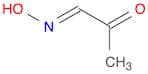
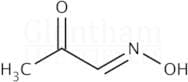
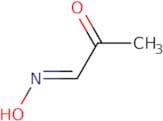
:anti-pyruvic aldehyde 1-oxime
Description:
Anti-pyruvic aldehyde 1-oxime, with the CAS number 31915-82-9, is an organic compound characterized by the presence of both an aldehyde and an oxime functional group. This compound typically appears as a colorless to pale yellow liquid or solid, depending on its specific form and purity. It is known for its reactivity, particularly in condensation reactions, where it can participate in the formation of various derivatives. The oxime group contributes to its ability to form stable complexes with metal ions, making it of interest in coordination chemistry. Additionally, anti-pyruvic aldehyde 1-oxime may exhibit biological activity, which could be relevant in pharmaceutical applications or as an intermediate in organic synthesis. Its solubility in polar solvents and moderate volatility are also notable characteristics. Safety data should be consulted, as with any chemical, to understand its handling and potential hazards. Overall, this compound serves as a valuable building block in synthetic organic chemistry and may have implications in various research fields.
Formula:C3H5NO2
Synonyms:- Isonitrosoacetone
- 2-Oxopropanal Oxime
Sort by
Purity (%)
0
100
|
0
|
50
|
90
|
95
|
100
Found 4 products.
2-Oxopropanal oxime
CAS:<p>2-Oxopropanal oxime is a coordination compound that has been shown to be an effective catalyst for the oxidation of hydrochloric acid to hydrogen chloride and methane. It has also been found to have a protective effect against the nerve agent sarin. 2-Oxopropanal oxime binds to the active site of the enzyme acetylcholinesterase, which breaks down acetylcholine, preventing its action on muscle cells and leading to paralysis. The reaction mechanism of 2-Oxopropanal oxime is not well understood, but it is hypothesized that it may involve a pyridinium intermediate. This compound has been investigated as a possible treatment for metabolic disorders, such as obesity and type II diabetes, due to its ability to stimulate detoxification enzymes in the liver. 2-Oxopropanal oxime is also used in plant biotechnology as an expression plasmid because it allows plants to produce large quantities of proteins with signal pept</p>Formula:C3H5NO2Purity:Min. 95%Molecular weight:87.08 g/mol