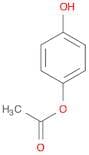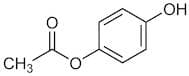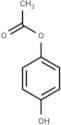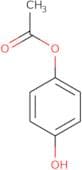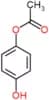
CAS 3233-32-7
:4-hydroxyphenyl acetate
- 1,4-Benzenediol, 1-acetate
- 1,4-Benzenediol, monoacetate
- 4-(Acetyloxy)phenol
- 4-Acetoxyphenol
- 4-Hydroxyphenylacetat
- Hydroquinone, acetate
- Hydroquinone, monoacetate
- NSC 47899
- p-Hydroxyphenyl acetate
4-Hydroxyphenyl Acetate
CAS:Formula:C8H8O3Purity:>98.0%(GC)Color and Shape:White to Light yellow to Light orange powder to crystalMolecular weight:152.154-hydroxyphenyl acetate
CAS:4-Acetoxyphenol Prevents RPE Oxidative Stress-Induced Necrosis by Functioning as an NRF2 StabilizerFormula:C8H8O3Purity:99.77% - 99.82%Color and Shape:SolidMolecular weight:152.154-Acetoxyphenol
CAS:Controlled ProductApplications 4-Acetoxyphenol is a differential urinary metabolite related with severity of major depressive disorder.
References Chen, J., et al.: Behav. Brain Res., 332, 280 (2017)Formula:C8H8O3Color and Shape:NeatMolecular weight:152.154-Hydroxyphenyl acetate
CAS:4-Hydroxyphenyl acetate is a naturally occurring fatty acid that is found in many plants. It has been isolated from the seeds of Telfairia occidentalis and has been shown to inhibit the growth of bacteria at a pH of 7.5, with an optimal pH of 8.0. 4-Hydroxyphenyl acetate is an activated form of this compound, which means it contains two hydroxyl groups and does not have to be synthesized by enzymes. 4-Hydroxyphenyl acetate inhibits bacterial enzyme activities such as DNA gyrase and RNA polymerase, which are necessary for transcription and replication. The structure analysis of 4-hydroxy phenylacetate was determined using trifluoroacetic acid (TFA) on a wild-type strain of Escherichia coli K12.
Formula:C8H8O3Purity:Min. 98 Area-%Color and Shape:PowderMolecular weight:152.15 g/mol