CAS 32381-18-3
:A-methyl-dl-histidine dihydrochloride*crystalline
Description:
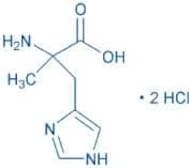
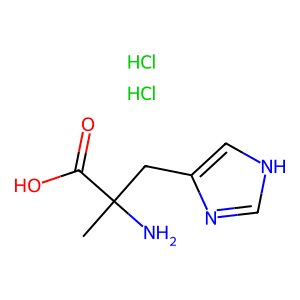
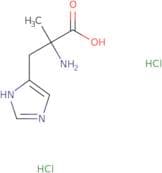
A-methyl-dl-histidine dihydrochloride is a synthetic amino acid derivative of histidine, characterized by the presence of a methyl group at the alpha position of the histidine structure. This compound is typically encountered as a crystalline solid and is soluble in water due to the presence of two hydrochloride groups, which enhance its solubility and stability in aqueous environments. It is often used in biochemical research, particularly in studies related to protein synthesis and metabolism, as it can serve as a substrate or inhibitor in various enzymatic reactions. The dihydrochloride form indicates that the compound has two hydrochloride ions associated with it, which can influence its biological activity and interaction with other molecules. Additionally, A-methyl-dl-histidine is known to exhibit properties that can affect muscle metabolism and has been studied for its potential role in muscle physiology. As with many amino acid derivatives, it is important to handle this compound with care, following appropriate safety protocols in laboratory settings.
Formula:C7H11N3O2·2HCl
Synonyms:- H-.alpha.-Me-DL-His-OH . 2 HCl
Sort by
Purity (%)
0
100
|
0
|
50
|
90
|
95
|
100
Found 5 products.
H-α-Me-DL-His-OH · 2 HCl
CAS:αMeHis, racemate.Formula:C7H11N3O2·2HClPurity:> 98%Color and Shape:White PowderMolecular weight:242.112-Amino-3-(1H-imidazol-4-yl)-2-methylpropanoic acid dihydrochloride
CAS:2-Amino-3-(1H-imidazol-4-yl)-2-methylpropanoic acid dihydrochloridePurity:95%Molecular weight:242.11g/molDL-alpha-Methylhistidine dihydrochloride
CAS:DL-alpha-Methylhistidine dihydrochloride is a reagent that has been used as a complex building block. It is an intermediate in the preparation of other compounds and is also used as a speciality chemical. DL-alpha-Methylhistidine dihydrochloride can be used to synthesize a variety of useful compounds, including pharmaceuticals, agrochemicals, and research chemicals. DL-alpha-Methylhistidine dihydrochloride can also be used as a versatile building block for the synthesis of other fine chemicals.
Formula:C7H11N3O2·2HClPurity:Min. 95%Color and Shape:White PowderMolecular weight:242.1 g/mol