CymitQuimica logo

CAS 32609-14-6

:

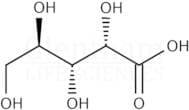
Arabic acid

Description:
Arabic acid, with the CAS number 32609-14-6, is a polysaccharide primarily derived from the sap of the Acacia tree, particularly Acacia senegal and Acacia seyal. It is a complex mixture of glycoproteins and polysaccharides, predominantly composed of D-galactose and L-arabinose units. Arabic acid is known for its solubility in water, forming viscous solutions, which makes it useful as a thickening agent, emulsifier, and stabilizer in various food and pharmaceutical applications. It exhibits excellent film-forming properties and is often utilized in the production of coatings and capsules. Additionally, Arabic acid is recognized for its potential health benefits, including prebiotic effects that support gut health. Its biocompatibility and non-toxic nature further enhance its appeal in the food industry and in the development of drug delivery systems. Overall, Arabic acid is valued for its functional properties and versatility across multiple sectors, including food, cosmetics, and pharmaceuticals.
Formula:Unspecified
Synonyms:
  • Arabic acid
Sort by

The purity filter is not visible because current products do not have associated purity data for filtering.
Found 3 products.
  • Arabinic acid

    CAS:
    Formula:C5H10O6
    Color and Shape:Solid
    Molecular weight:166.1293

    Ref: IN-DA003NX8

    ne
    To inquire
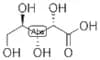
  • Arabic acid

    CAS:

    Arabinose is a hexose sugar that is the principal constituent of the pentosan polysaccharide arabinogalactan. Arabinose has been shown to inhibit the oxidation of glycol by an oxidation catalyst, such as copper, nickel or palladium. Arabinose also inhibits the activity of target enzymes with a high affinity for nitrogen atoms, such as glycol ether hydrolase and galactosyl-transferase. The optimum pH for Arabinose is 7.0 with a range from 6.5 to 8.5. When heated in water, Arabinose decomposes at around 180°C and can be used as a model system to study enzymatic reactions. Arabinose is an organic compound that is found in plants and animals and belongs to the group of sugars. It has been shown to inhibit oxidation catalysts like copper, nickel or palladium and has also been proven effective against enzymes that are sensitive to nitrogen atoms such as

    Formula:C5H10O6
    Color and Shape:White Powder
    Molecular weight:166.13 g/mol

    Ref: 3D-FA160119

    1g
    378.00€
    2g
    538.00€
    5g
    1,020.00€
    10g
    1,562.00€