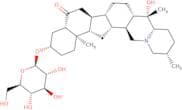
CAS 32685-93-1
:Edpetiline
Description:
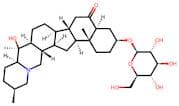
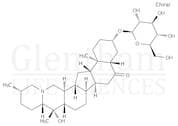
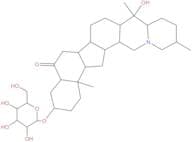
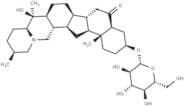
Edpetiline, with the CAS number 32685-93-1, is a chemical compound that belongs to the class of piperidine derivatives. It is primarily recognized for its potential applications in medicinal chemistry, particularly in the development of pharmaceuticals. The compound exhibits a unique molecular structure that contributes to its biological activity, often influencing its interaction with various biological targets. Edpetiline is characterized by its moderate solubility in organic solvents and limited solubility in water, which can affect its bioavailability and pharmacokinetics. Additionally, it may possess specific functional groups that enhance its reactivity and stability under certain conditions. As with many chemical substances, safety and handling precautions are essential, as Edpetiline may exhibit toxicity or irritant properties. Research into its pharmacological effects and mechanisms of action continues to evolve, highlighting its significance in drug discovery and development.
Formula:C33H53O8
Synonyms:- (3beta,5alpha)-3-(beta-D-Glucopyranosyloxy)-20-hydroxycevan-6-one
- Sipeimine-3β-D-glucoside
Sort by
Purity (%)
0
100
|
0
|
50
|
90
|
95
|
100
Found 5 products.
Edpetiline
CAS:Edpetiline is a natural product from Petilium eduardi.Formula:C33H53NO8Purity:95%~99%Molecular weight:591.786Edpetiline
CAS:Edpetiline(Sipeimine-3β-D-glucoside), a principal alkaloid from P. eduardi., has significant anti-inflammatory effects.Formula:C33H53NO8Purity:99.69% - 99.96%Color and Shape:SolidMolecular weight:591.78Edpetiline
CAS:Edpetiline is a polymerase inhibitor that is used to inhibit the replication of DNA and RNA. It is a reactive compound that inhibits carnitine palmitoyltransferase I, which is important for the metabolism of fatty acids. Edpetiline also has anti-inflammatory effects due to its ability to decrease tumor necrosis factor-α (TNF-α) production in macrophages. Its reactive nature and antioxidant effects make it useful in treating conditions such as asthma, psoriasis, and rheumatoid arthritis. Edpetiline can be synthesized from edpetidine by oxidation or from edpetidinine by hydrolysis with HCl.
Formula:C33H53NO8Purity:Min. 95%Color and Shape:PowderMolecular weight:591.79 g/mol