CAS 33243-33-3
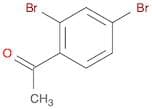
:Ethanone,1-(2,4-dibromophenyl)-
Description:
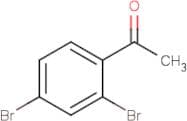
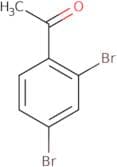
Ethanone, 1-(2,4-dibromophenyl)-, also known as 2,4-dibromoacetophenone, is an organic compound characterized by its ketone functional group and a dibromophenyl substituent. It features a phenyl ring substituted at the 2 and 4 positions with bromine atoms, which significantly influences its chemical properties, including reactivity and polarity. The presence of the bromine atoms enhances the compound's electrophilic character, making it useful in various chemical reactions, such as nucleophilic substitutions. This compound is typically a solid at room temperature and may exhibit moderate solubility in organic solvents due to its hydrophobic aromatic structure. Its applications can range from serving as an intermediate in organic synthesis to potential uses in pharmaceuticals and agrochemicals. Safety considerations are important when handling this compound, as brominated compounds can pose environmental and health risks. Proper storage and handling protocols should be followed to mitigate any hazards associated with its use.
Formula:C8H6Br2O
Synonyms:- Acetophenone,2',4'-dibromo- (6CI,7CI,8CI)
- 1-(2,4-Dibromophenyl)ethanone
- 2',4'-Dibromoacetophenone
Sort by
Purity (%)
0
100
|
0
|
50
|
90
|
95
|
100
Found 4 products.
1-(2,4-Dibromophenyl)ethanone
CAS:Formula:C8H6Br2OPurity:98%Color and Shape:SolidMolecular weight:277.94062',4'-Dibromoacetophenone
CAS:2',4'-Dibromoacetophenone is a 3',5'-cyclic monophosphate (cAMP) analogue that inhibits protein kinase and phospholipase C. It has been shown to inhibit the production of adenosine in endothelial cells by acting as an antagonist at the adenosine receptor. 2',4'-Dibromoacetophenone also has a strong inhibitory effect on human endothelial cells, which may be due to its ability to inhibit DNA synthesis and protein synthesis. This compound binds to the endothelial cell membrane and blocks the activation of phospholipase A2, preventing the release of arachidonic acid from phospholipids. Arachidonic acid is required for prostaglandin synthesis, which leads to inflammation.
Formula:C8H6Br2OPurity:Min. 95%Color and Shape:Slightly Yellow PowderMolecular weight:277.94 g/mol