CAS 338453-16-0
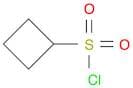
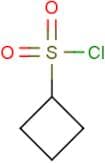
:cyclobutanesulfonyl chloride
Description:
Cyclobutanesulfonyl chloride is an organic compound characterized by the presence of a cyclobutane ring and a sulfonyl chloride functional group. It typically appears as a colorless to pale yellow liquid and is known for its reactivity, particularly due to the sulfonyl chloride moiety, which can act as a potent electrophile. This compound is often used in organic synthesis as a sulfonylating agent, facilitating the introduction of sulfonyl groups into various substrates. Its reactivity allows it to participate in nucleophilic substitution reactions, making it valuable in the preparation of sulfonamides and other derivatives. Cyclobutanesulfonyl chloride is sensitive to moisture and should be handled with care, as it can release hydrochloric acid upon hydrolysis. Additionally, it is important to consider safety precautions when working with this compound, as it can be corrosive and irritating to the skin and respiratory system. Overall, cyclobutanesulfonyl chloride is a useful reagent in synthetic organic chemistry, particularly in the development of pharmaceuticals and agrochemicals.
Formula:C4H7ClO2S
Sort by
Purity (%)
0
100
|
0
|
50
|
90
|
95
|
100
Found 4 products.
cyclobutanesulfonyl chloride
CAS:Formula:C4H7ClO2SPurity:95%Color and Shape:LiquidMolecular weight:154.6152Cyclobutanesulfonyl chloride
CAS:Cyclobutanesulfonyl chloridePurity:95%Color and Shape:SolidMolecular weight:154.62g/molCyclobutanesulfonyl chloride
CAS:Formula:C4H7ClO2SPurity:90%Color and Shape:SolidMolecular weight:154.61Cyclobutanesulfonyl chloride
CAS:Cyclobutanesulfonyl chloride is a reagent that is used for the synthesis of 1-6-alkylcyclobutanes. It can be used to synthesize heterocyclic compounds, including those with high optical purity. Cyclobutanesulfonyl chloride has been shown to have antiviral and antiproliferative properties. It has also been shown to exhibit anticancer activity in vitro and in vivo. The mechanism of action for this compound is unclear, but it may inhibit protein synthesis by attacking the amino acid methionine in proteins or by inhibiting DNA replication.Formula:C4H7ClO2SPurity:Min. 95%Color and Shape:Clear LiquidMolecular weight:154.62 g/mol