CAS 3415-45-0
:Glycodehydrocholic acid
Glycodehydrocholic acid
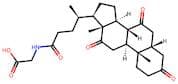
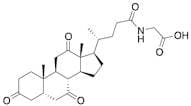
CAS:Glycodehydrocholic acid is a bile acid compound formed by conjugation of bile acid with glycine.
Formula:C26H37NO6Color and Shape:SolidMolecular weight:459.58Glycodehydrocholic acid
CAS:Controlled ProductFormula:C26H37NO6Color and Shape:NeatMolecular weight:459.58Glycodehydrocholic acid
CAS:Controlled ProductGlycodehydrocholic acid is a bile acid that is synthesized from cholesterol by the liver and intestine. It is used for the diagnosis of cancer and other medical conditions, such as obesity. Glycodehydrocholic acid inhibits the growth of adipose tissue cells, which may be due to its ability to increase the expression of genes related to lipid metabolism. This drug has also been shown to have an inhibitory effect on mitochondria and tumor cells in human serum. Glycodehydrocholic acid can be measured using chromatographic methods with a sample preparation before analysis. This drug can also be detected in urine samples by gas-liquid chromatography or mass spectrometry. The metabolic profiles of women differ from men, so it is important to take this into account when performing analytical chemistry procedures on this compound.
Formula:C26H37NO6Purity:Min. 95%Color and Shape:White/Off-White SolidMolecular weight:459.58 g/molRef: 3D-FG158865
Discontinued product