CAS 34259-99-9
:4-Bromothiazole
Description:
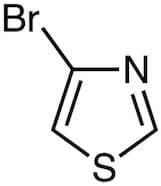
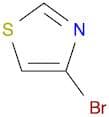
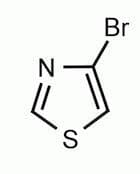
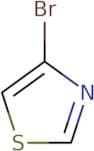
4-Bromothiazole is a heterocyclic organic compound characterized by the presence of both bromine and thiazole functional groups. It features a five-membered ring containing both sulfur and nitrogen atoms, which contributes to its unique chemical properties. The bromine atom is positioned at the fourth carbon of the thiazole ring, influencing its reactivity and potential applications. This compound is typically a colorless to pale yellow liquid or solid, depending on its form and purity. 4-Bromothiazole is known for its biological activity, making it of interest in medicinal chemistry, particularly in the development of pharmaceuticals and agrochemicals. It can participate in various chemical reactions, including nucleophilic substitutions and coupling reactions, due to the electrophilic nature of the bromine atom. Additionally, its solubility in organic solvents allows for diverse applications in synthesis and research. Safety precautions should be taken when handling this compound, as it may pose health risks if ingested or inhaled.
Formula:C3H2BrNS
InChI:InChI=1/C3H2BrNS/c4-3-1-6-2-5-3/h1-2H
SMILES:c1c(Br)ncs1
Synonyms:- 4-Bromo-1,3-thiazole
- Thiazole, 4-bromo-
Sort by
Purity (%)
0
100
|
0
|
50
|
90
|
95
|
100
Found 6 products.
4-Bromothiazole
CAS:Formula:C3H2BrNSPurity:>98.0%(GC)Color and Shape:Colorless to Light yellow to Light orange clear liquidMolecular weight:164.024-Bromo-1,3-thiazole
CAS:4-Bromo-1,3-thiazoleFormula:C3H2BrNSPurity:98%Color and Shape: colourless liquidMolecular weight:164.02g/mol4-Bromothiazole
CAS:4-Bromothiazole is an organic compound that belongs to the group of reactive, nucleophilic substances. It is a nucleophile that reacts with electrophiles such as allyl halides to form new compounds. 4-Bromothiazole has been shown to be a potent antagonist of the metabotropic glutamate receptor and may be beneficial in treating neurodegeneration.
Formula:C3H2BrNSPurity:Min. 95%Color and Shape:Colorless Clear LiquidMolecular weight:164.02 g/mol