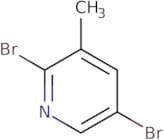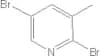
CAS 3430-18-0
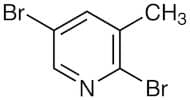
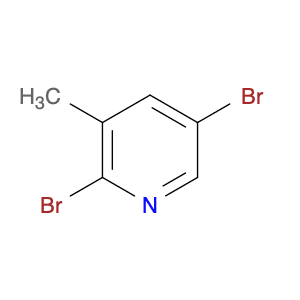
:2,5-Dibromo-3-methylpyridine
Description:
2,5-Dibromo-3-methylpyridine is a heterocyclic organic compound characterized by a pyridine ring substituted with two bromine atoms and a methyl group. Its molecular formula is C7H6Br2N, indicating the presence of carbon, hydrogen, bromine, and nitrogen atoms. This compound typically appears as a colorless to light yellow liquid or solid, depending on the temperature and purity. It is known for its aromatic properties, which contribute to its stability and reactivity. The bromine substituents enhance its electrophilic character, making it useful in various chemical reactions, including nucleophilic substitutions and coupling reactions. 2,5-Dibromo-3-methylpyridine is often utilized in the synthesis of pharmaceuticals, agrochemicals, and other organic compounds. It is important to handle this substance with care due to the potential hazards associated with brominated compounds, including toxicity and environmental concerns. Proper safety protocols should be followed when working with this chemical in laboratory or industrial settings.
Formula:C6H5Br2N
InChI:InChI=1S/C6H5Br2N/c1-4-2-5(7)3-9-6(4)8/h2-3H,1H3
InChI key:InChIKey=LIMXEVCFAUTBCK-UHFFFAOYSA-N
SMILES:CC1=C(Br)N=CC(Br)=C1
Synonyms:- 2,5-Dibromo-3-methylpyridine
- 2-Chloro-5-Hydroxy-3-Picoline
- 2.5-Dibromo-3-Methylpyridine
- 3-Picoline, 2,5-dibromo-
- Pyridine, 2,5-dibromo-3-methyl-
- Timtec-Bb Sbb003143
- 2,5-Dibromo-3-picoline
Sort by
Purity (%)
0
100
|
0
|
50
|
90
|
95
|
100
Found 6 products.
2,5-Dibromo-3-methylpyridine
CAS:Formula:C6H5Br2NPurity:>98.0%(GC)Color and Shape:White to Light yellow powder to crystalMolecular weight:250.922,5-Dibromo-3-methylpyridine
CAS:Formula:C6H5Br2NPurity:98%Color and Shape:SolidMolecular weight:250.91862,5-Dibromo-3-methylpyridine
CAS:2,5-Dibromo-3-methylpyridineFormula:C6H5Br2NPurity:98%Color and Shape: off white to faint beige solidMolecular weight:250.92g/mol2,5-Dibromo-3-methylpyridine
CAS:2,5-Dibromo-3-methylpyridine is used in the synthesis of new ligands for receptor ligand interactions. The compound is synthesized by a cross-coupling reaction with boronic acids. This reaction occurs at room temperature and does not require any harsh chemicals. The product has been shown to be effective against oncologic cells, as well as against cancerous cells in a chloride solution. Cryogenic techniques are also used in this synthesis process.Formula:C6H5Br2NPurity:Min. 95%Color and Shape:PowderMolecular weight:250.92 g/mol2,5-Dibromo-3-picoline
CAS:Formula:C6H5Br2NPurity:97%Color and Shape:Crystalline Powder,LumpsMolecular weight:250.921